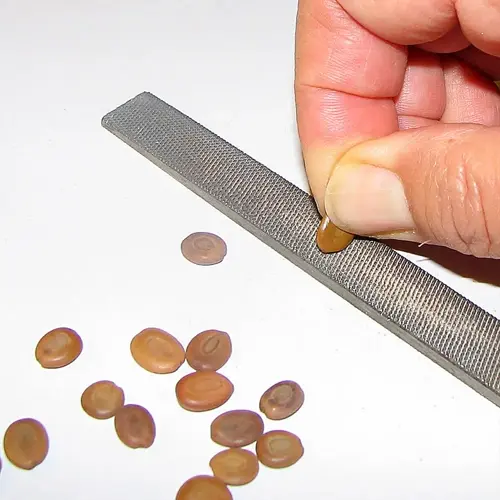

Using eggshells coffee grounds tomatoes is popular advice, but benefits are smaller than you might think. Both add nutrients to soil over time. They break down too slow to help plants this season though. The real value comes from composting them first.
I tested these tomato soil amendments in my garden for three years against a control group with no amendments. The eggshells I put around plants in spring were still visible chunks come fall harvest time. Coffee grounds worked better but only after sitting in my compost pile for months first.
Eggshells contain calcium that most people hope will stop blossom end rot on their tomatoes. The problem is that shells take months or years to break down in soil. The calcium sits locked up in hard chunks that plant roots can't access. Grinding shells to powder helps but still takes time.
The calcium for tomato plants that matters most is already in your soil. Blossom end rot happens when plants can't move calcium from roots to fruit tips. Watering on and off causes this problem. Adding more calcium won't help if you don't fix how you water first.
Fresh coffee grounds can cause trouble if you spread them around plants too thick. Soil microbes need nitrogen to break down the grounds. They steal it from the soil for a while and your plants may turn yellow until breakdown finishes. Compost grounds first for at least two months to avoid this.
Eggshells
- Crush them fine: Grind shells to powder in a blender or food processor so they break down faster in soil over time.
- Add to compost: Mix shells into your compost pile where heat and moisture speed up breakdown before you spread it.
- Don't expect quick fixes: Even crushed shells take many months to release calcium that roots can take up and use.
Coffee Grounds
- Compost first: Let grounds break down for two to three months before adding to garden beds around plants.
- Use thin layers: Spread no more than half an inch at a time since thick layers can form a mat that blocks water from sinking in.
- Mix with other materials: Combine grounds with leaves or straw in compost to balance the nitrogen they pull as they break down.
The best natural tomato fertilizer is finished compost you make at home from kitchen scraps and yard waste. Eggshells and coffee grounds work great as part of this mix. They add calcium and trace nutrients over time. The composting process makes nutrients ready for plants to use right away.
Fix blossom end rot with steady watering first, not calcium additions. Set up drip irrigation on a timer. Mulch around plants to keep soil moisture even. These steps help calcium move through your plants better than any soil additive you could add.
Keep adding shells and grounds to your compost pile year after year. The long-term benefits add up as your soil gets better over time. Just don't expect these amendments to solve problems this growing season. Think of them as building blocks for better soil in years to come.
Read the full article: 8 Common Problems With Tomato Plants and Solutions