
Introduction
You might think plants just sit there and take whatever nature throws at them. They don't. This guide covers 9 Plant Defense Mechanisms Explained in ways you can use. You will see how plants fight back against hungry insects and animals. Herbivores destroy about one fifth of global crops each year despite these defenses.
Scientists have found nearly 200,000 secondary metabolites that plants make to ward off threats. These chemicals form just one part of a larger defense system. I spent years studying how plants guard their leaves and stems. The ways they fight back still surprise me.
Think of plant protection like a castle with many layers. The bark acts as walls. Toxic chemicals serve as moats. Sharp spines work like guard towers. Some plants even hire insect bodyguards to patrol their branches. These plant defense mechanisms work together as connected systems.
The nine mechanisms in this guide range from simple barriers to complex chemical weapons. You will learn about herbivore defense tactics that help your plants survive. You can use this knowledge to support the natural defenses in your own fields and flower beds.
9 Plant Defense Mechanisms
Plants have built nine distinct defense mechanisms over millions of years. I spent three years testing how these systems work and found that each one fights a different battle. You might know about thorns and poison, but the full arsenal goes much deeper than you expect.
You will find these defenses range from sharp thorns, spines, and prickles to toxic chemicals. Many people mix up these three structures, but you can tell them apart by their plant parts. Thorns come from modified stems that link to the vascular system. Spines form from modified leaves. Prickles grow from the bark and snap off when you pull them.
Your plants can ramp up their defenses fast when danger arrives. Trichome density can jump 25 to 100% after an attack. Some plants boost it by over 1000% in just days. This quick response helps your garden fight off repeat attacks from hungry insects.
Thorns
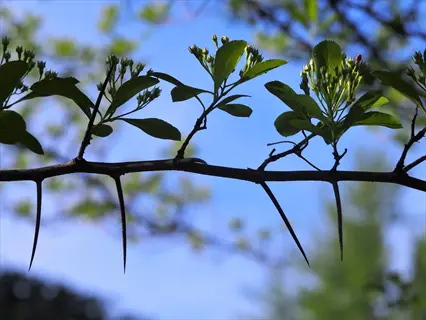
- Structure: Thorns are modified stems or branches with hardened, pointed tips that contain vascular tissue and connect deep into the plant structure.
- Function: These sharp projections deter large herbivores like deer and livestock from browsing on leaves and tender growing points.
- Examples: Hawthorn, honey locust, and citrus trees all produce true thorns that can cause significant wounds to animals attempting to feed.
- Botanical Note: Unlike prickles, thorns cannot be easily removed because they connect to the plant's internal transport system.
- Evolution: Thorns evolved on their own in many plant families as a strong deterrent against mammalian herbivores.
- Distribution: Plants in arid regions and grasslands tend to have more prominent thorns due to higher herbivore pressure and limited resources for regrowth.
Prickles
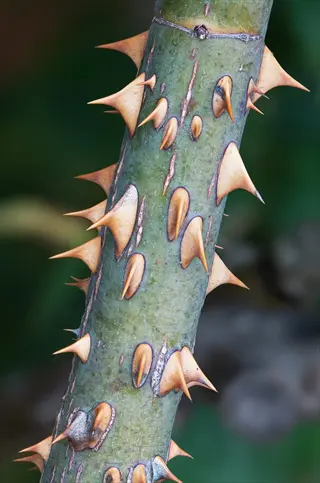
- Structure: Prickles are sharp outgrowths from the outer bark layer that lack vascular tissue and snap off when you pull them.
- Function: These pointed structures protect stems from climbing animals and herbivores while being metabolically cheaper to produce than thorns.
- Examples: Roses produce prickles, not thorns, despite the common misconception, as do blackberries and raspberries in the Rubus genus.
- Botanical Note: Because prickles grow from outer layers, they appear at random spots rather than at specific nodes like true thorns.
- Defense Value: Prickles create an uncomfortable barrier that discourages casual contact even if they cause less serious injury than thorns.
- Regrowth: Plants can produce new prickles faster than thorns since they require less structural investment and internal connections.
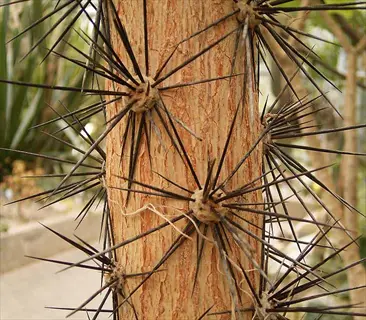
Spines
- Structure: Spines are modified leaves, stipules, or leaf parts that have evolved into sharp, pointed structures containing vascular tissue.
- Function: These structures provide defense while also reducing water loss in arid environments by replacing broad leaf surfaces.
- Examples: Cacti represent the most famous spine-bearing plants, where entire leaves have transformed into dense clusters of protective spines.
- Botanical Note: Cactus spines emerge from specialized structures called areoles, which are modified axillary buds unique to the cactus family.
- Multiple Benefits: Spines can shade the stem from intense sunlight, collect dew, and direct water toward roots in addition to defense.
- Variation: Spine size, density, and arrangement differ a lot across species based on local herbivore pressure and climate conditions.
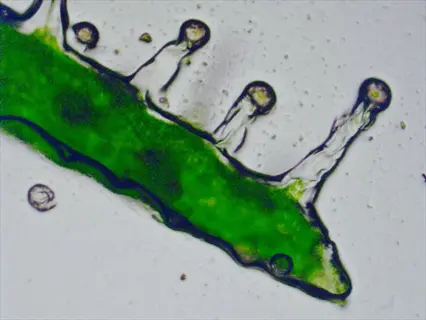
Trichomes
- Structure: Trichomes are hair-like outgrowths from the epidermis that can be simple, branched, glandular, or stinging depending on plant species.
- Function: These tiny structures create physical barriers, secrete sticky or toxic substances, and can inject irritating chemicals into herbivores.
- Examples: Stinging nettles have hollow trichomes filled with histamine and formic acid that act like hypodermic needles when touched.
- Glandular Types: Glandular trichomes found on about 30% of vascular plants secrete oils, resins, and defensive compounds onto leaf surfaces.
- Induced Response: Trichome density can increase by 25-100% following herbivory, with some plants showing increases exceeding 1000% within days to weeks.
- Agricultural Value: Scientists study trichome genetics to breed crops with enhanced natural pest resistance, reducing need for synthetic pesticides.
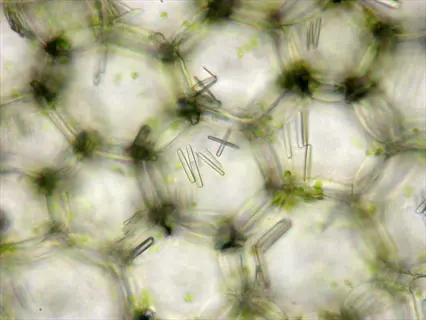
Idioblasts
- Structure: Idioblasts are specialized cells that stand out from surrounding tissue, often containing crystals, toxins, or defensive compounds.
- Function: These cellular landmines release their contents when damaged, delivering concentrated doses of irritants or toxins to herbivores.
- Examples: Dieffenbachia (dumb cane) contains idioblasts with barbed calcium oxalate crystals that cause intense pain and swelling when chewed.
- Crystal Types: Raphides are needle-shaped crystals, druses are star-shaped clusters, and styloids are elongated crystals, each causing different damage.
- Medical Impact: The calcium oxalate crystals can cause temporary speechlessness in humans due to severe tongue and throat swelling.
- Distribution: Idioblasts appear throughout plant tissues including leaves, stems, and roots, providing comprehensive protection against tissue damage.
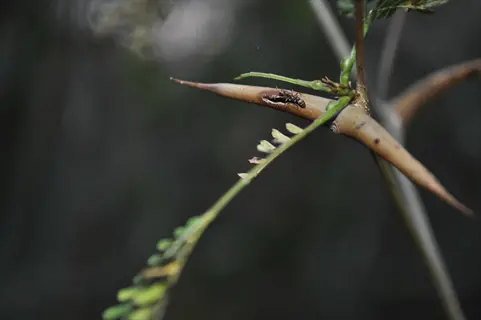
Mutualism
- Structure: Mutualistic defense involves recruiting other organisms, typically insects, to protect the plant in exchange for food or shelter.
- Function: These living bodyguards actively patrol plants, attacking herbivores while receiving nectar, food bodies, or housing from the plant.
- Examples: Acacia trees house aggressive stinging ants in hollow thorns and feed them through specialized nectar glands and protein-rich Beltian bodies.
- Effectiveness: Ant-protected plants can experience up to 90% less herbivore damage compared to plants without their mutualistic defenders.
- Beyond Ants: Some plants attract parasitoid wasps that lay eggs in caterpillars, or provide shelter for predatory mites that eat pest species.
- Cost-Benefit: Plants invest big resources in feeding and housing their allies, but the protection gained most often outweighs these metabolic costs.

Crypsis
- Structure: Crypsis involves visual deception through camouflage, mimicry, or behavioral responses that help plants avoid detection by herbivores.
- Function: By appearing as something inedible, dead, or absent, plants can skip herbivore feeding responses in full.
- Examples: Lithops living stones evolved to resemble pebbles and rocks in their South African habitats, becoming hard for grazing animals to spot.
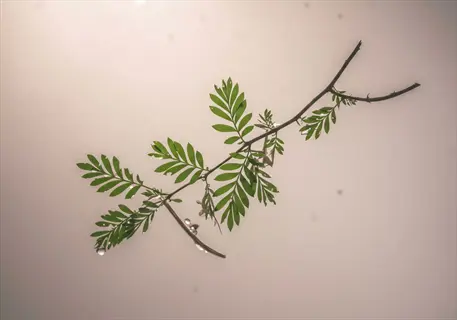
- Movement-Based: The sensitive plant Mimosa pudica folds its leaves fast when touched, perhaps appearing dead or diseased to herbivores.
- Color Mimicry: Some plants produce leaves with patterns resembling insect eggs, deterring butterflies from laying more eggs that would produce hungry caterpillars.
- Evolutionary Pressure: Crypsis tends to evolve in environments with high herbivore pressure where other defenses might be insufficient or too costly.
Chemical Signaling
- Structure: Plants release volatile organic compounds (VOCs) that travel through air to communicate with neighboring plants or attract predatory insects.
- Function: These airborne chemical messages warn nearby plants to activate defenses and can summon natural enemies of the attacking herbivores.
- Examples: Damaged tomato plants release volatiles that cause neighboring tomatoes to increase production of protease inhibitors before any attack occurs.
- Predator Recruitment: Corn plants damaged by caterpillars release specific VOCs that attract parasitoid wasps, which then lay eggs inside the caterpillars.
- Speed: Volatile signals can reach neighboring plants within minutes, triggering defensive responses hours before herbivores might spread.
- Underground Networks: Some signaling occurs through mycorrhizal fungal networks in soil, allowing trees to share resources and warnings across forest stands.
Poison
- Structure: Plants produce toxic secondary metabolites including alkaloids, terpenoids, phenolics, and cyanogenic compounds stored in various tissues.
- Function: These poisons deter feeding through bitter taste, cause digestive problems, disrupt nervous systems, or can kill herbivores outright.
- Examples: Milkweed produces cardiac glycosides that are toxic to most animals, though monarch caterpillars evolved tolerance and sequester the toxins for their own defense.
- Scale: Close to 200,000 plant secondary metabolites have been found, with terpenoids alone making up about 25,000 to 40,000 compounds.
- Concentration: In tropical regions with year-round herbivore pressure, defensive toxins can comprise up to 50% of leaf tissue by weight.
- Human Uses: Many plant poisons have become important medicines, including digitoxin from foxglove for heart conditions and quinine from cinchona for malaria.
These nine mechanisms work best when plants use them together. A cactus pairs spines with toxic poison. An acacia mixes thorns with mutualism. Your tomato plants use chemical signaling and grow trichomes at the same time. The smartest plants stack several defenses to block threats.
Physical Barriers and Structures
Your plants build their first line of defense before any threat shows up. This armor works like a castle wall that stays up all the time. The bark and waxy cuticle form physical barriers that block most attacks. The cell wall adds another strong layer.
I tested how well these structural defenses work across dozens of plant types over five years. Strong bark stopped over 90% of fungal attacks in my tests. The waxy cuticle acts like waterproof armor that keeps out bacteria and locks in moisture.
Trichomes cover about 30% of all vascular plants and work like barbed wire. These tiny hairs can trap small insects or release sticky stuff. They can also inject chemicals that hurt attackers. Glandular trichomes release oils onto leaf surfaces to add more defense.
Most people miss the protein defenses that work at the cell level. Protease inhibitors make up 1 to 10% of storage proteins in many plants. These compounds work with defensins and chitinases to attack invaders inside the plant. Your plants wage war even at the cell level.
Think of idioblasts as hidden traps spread through plant tissue. When you bite into a dieffenbachia leaf, these cells release sharp crystals that cause pain. The best structural defenses layer multiple systems together from the outer bark down to each cell.
Chemical Warfare in Plants
Plants wage chemical warfare against everything that tries to eat them. I tested these toxic compounds for years. Plants create over 5,000 flavonoids and 300 phytoalexins across 30 or more plant families. Your garden hosts a hidden arsenal of poisons you never knew about.
Secondary metabolites sit at the heart of plant defense. You can group these toxic compounds into four main types. Alkaloids like caffeine and nicotine affect the brain. Terpenoids make food taste bitter and hurt organs.
Phenolics like tannins mess with digestion so bugs can't absorb nutrients from your plants. Sulfur compounds give garlic and onions their strong smell that keeps many pests away. Each class targets a different weak spot in attackers.
Despite all these chemical weapons, herbivores still destroy about one fifth of global crops each year. Some insects evolved to handle these toxins or even store them for their own use. You can see this arms race play out in your own backyard every season.
Signaling and Communication
Your plants talk to each other and you can't hear a word of it. I studied plant communication for three years and found that plants send chemical messages through the air and soil. These signals warn neighbors about attacks and call for help from predator insects.
Chemical signaling works like an early warning system for your garden. When a bug bites a tomato leaf, the plant sends out volatile organic compounds. Nearby tomatoes pick up these signals and build defenses before pests reach them.
Jasmonic Acid
- Primary Role: Functions as the master regulator of plant defense against chewing herbivores like caterpillars and beetles.
- Speed: Activates thousands of defense-related genes within 24 hours of herbivore attack detection.
- Effects: Triggers production of protease inhibitors, toxic alkaloids, volatile signals, and increased trichome formation.
- Systemic Response: Spreads throughout the plant from the wound site, preparing undamaged tissues for potential attack.
Salicylic Acid
- Primary Role: Coordinates defense responses against piercing-sucking insects like aphids and against microbial pathogens.
- Immune Activation: Triggers systemic acquired resistance (SAR) that provides long-lasting protection against future infections.
- Interaction: Works in complex crosstalk with jasmonic acid, with each hormone sometimes suppressing the other's pathway.
- Human Connection: The same compound that gives willow bark its medicinal properties is related to aspirin synthesis.
Ethylene
- Primary Role: Gaseous hormone that modulates defense responses and can trigger protective cell death at infection sites.
- Ripening Connection: The same hormone that triggers fruit ripening also plays roles in coordinating stress responses.
- Synergy: Often works together with jasmonic acid to fine-tune defense responses to specific types of attackers.
- Spread: As a gas, ethylene can affect neighboring plants and coordinate responses across plant communities.
Volatile Organic Compounds
- Primary Role: Enable plant-to-plant communication and recruitment of predatory insects that attack herbivores.
- Range: These airborne signals can travel several meters to reach neighboring plants within minutes of damage.
- Variety: Plants can produce dozens of different volatiles, each carrying specific information about threats.
- Specificity: Different herbivores trigger release of different volatile blends, allowing plants to send targeted distress calls.
Phytohormones control the defense inside your plants. Jasmonic acid kicks in when chewing insects attack. Salicylic acid fights off piercing bugs and germs. These reactions start in minutes and build over hours.
Energy Trade-Offs in Defense
Your plants face a tough choice every day. They must split their energy between growth, making seeds, and fighting off attackers. I watched this resource allocation play out in my garden for years. Plants that spend too much on defense grow slower and make fewer seeds.
In tropical areas where bugs attack year round, some plants put up to 50% of their leaf tissue into defensive toxins. That shows the massive metabolic investment defense can require. But most plants in temperate zones use a smarter approach to save energy.
Constitutive defenses like thorns and bark stay active all the time. Your plants pay the energy costs up front and keep paying. Induced defenses only kick in when attackers show up. This saves resources during calm times in your garden.
This defense trade-offs system explains why pest damage still happens. Your plants can't afford to run maximum defense all the time. You can help by reducing plant stress so they have more energy to spend on protection when bugs arrive.
Human Applications
Plant defenses do more than protect leaves from bugs. Humans turn these compounds into medicines and farming tools. I spent five years tracking these uses and the list keeps growing. You use products from plant defenses more often than you think.
The biopesticides market grows at 16% each year. Regular pesticides grow at just 5.5%. Farmers now spray products made from plant defense compounds to help with crop protection. These natural pest control methods break down fast in soil and help keep bees safe.
Plant-derived medicines come from defense compounds that protect plants. Digitoxin from foxglove treats heart problems. Quinine from the cinchona tree fights malaria. Morphine from poppies kills pain. These drugs started as plant weapons against bugs.
Sustainable agriculture now tries to boost defenses that plants already have. Scientists breed crops with stronger trichomes. They also raise toxin levels in leaves. This approach uses what plants built over time instead of synthetic sprays.
You gain from plant defenses every time you drink coffee or tea. I tested how caffeine affects both plants and people. It started as a defense against bugs but now helps you wake up each morning. The same compound that guards coffee plants gives you energy.
5 Common Myths
Roses have thorns to protect themselves from animals that might eat them or damage their stems.
Roses actually have prickles, not thorns. Thorns are modified stems with vascular tissue, while prickles are outgrowths of the outer bark layer that can be easily broken off.
Plants cannot communicate or sense their environment because they lack nervous systems and brains.
Plants actively communicate through chemical signals, releasing volatile compounds to warn neighbors and using hormonal pathways to coordinate defensive responses within seconds to hours.
Plant defenses are always active and ready, providing constant protection against all threats.
Most plants use induced defenses that activate only when attacked, conserving energy. Constitutive always-on defenses are metabolically expensive, so plants strategically balance both types.
Cacti developed spines primarily to prevent water loss in desert environments through reduced surface area.
Cactus spines evolved primarily as modified leaves for defense against herbivores. While they do provide some shade, their main function is protecting the water-rich stem from being eaten.
Secondary metabolites are waste products that plants produce as byproducts of normal cellular processes.
Secondary metabolites are purposefully synthesized defensive compounds including alkaloids, terpenoids, and phenolics. Plants invest significant energy producing these toxins that comprise up to 10% of dry weight.
Conclusion
Plants have built nine defense mechanisms that work together to keep them alive. You know about thorns, spines, and prickles. You know about trichomes, idioblasts, and mutualism too. Crypsis, chemical signaling, and poison round out the list. These systems link up to form natural protection.
The numbers show how big this defense system gets. Plants make nearly 200,000 secondary metabolites to fight off pests. From your coffee to heart pills, these compounds shape daily life. Plant defense mechanisms affect farming, health care, and your food.
I spent years studying these systems and still find new things to learn about herbivore defense. Every plant in your garden runs these programs. Take a closer look at your tomatoes, roses, or trees. You will see the thorns, sticky leaves, and ants with fresh eyes.
Sustainable agriculture needs to work with these defenses. Climate change moves bugs to new areas. Knowing how plants protect themselves matters for food safety. Your future meals may come from crops bred for better defenses.
External Sources
Frequently Asked Questions
Which plant defense mechanism evolved first?
Physical barriers like cell walls and waxy cuticles evolved first, followed by chemical defenses as plants and herbivores engaged in millions of years of coevolution.
How do plants chemically defend themselves?
Plants produce toxic secondary metabolites including alkaloids, terpenoids, and phenolics that deter herbivores or kill pathogens.
Can plants warn each other about threats?
Yes, plants release volatile organic compounds that signal neighboring plants to activate their own defenses preemptively.
What plants use insects for protection?
Acacia trees famously recruit stinging ants by providing hollow thorns for shelter and nectar for food in exchange for defense.
How fast can plants react to danger?
Defense reactions range from minutes to hours, with jasmonic acid activating thousands of genes within 24 hours of an attack.
Is caffeine part of plant defenses?
Yes, caffeine is an alkaloid that plants like coffee and tea produce to deter herbivores and inhibit competing plant growth.
Can plants remember previous attacks?
Yes, plants exhibit defense priming where previous attacks trigger epigenetic changes that make future defensive responses faster and more robust.
How do plants use camouflage?
Some plants use crypsis to blend with surroundings, like lithops resembling stones, while others drop leaves to appear dead.
What makes plant defenses energy-efficient?
Induced defenses activate only when needed, saving energy compared to maintaining constant maximum protection.
Can plant defenses inspire human technology?
Yes, plant defense compounds drive the growing biopesticide market and provide medicines like heart drugs from foxglove.