
Introduction
You have watched dandelion fluff float through the air on a warm summer breeze. This simple act of nature is one of the most vital survival tricks in the plant kingdom. These 6 key seed dispersal methods explained here show you how plants spread to new areas and keep their species alive for the long run.
I spent 8 years teaching botany and saw students struggle with why seed dispersal matters at all. Plants face a problem that animals never deal with in their lives. They cannot walk, swim, or fly to find better spots to grow. Seed dispersal serves as a plant's emigration strategy to send its young ones far from home to new growing spots.
The stakes for plant reproduction are massive when you look at the numbers. Research shows that 50% to 90% of tropical forest trees need animals to move their seeds around. A 2023 study looked at 67 species across 17 countries to learn what makes seed transport work best. Without these methods, forests would collapse and fade away within decades.
Below you will learn the six main ways plants spread their seeds across the land around them. Each method shows adaptations that took millions of years to develop in wild populations. You will see every plant in your garden and the wild in a whole new light after reading this guide.
6 Key Seed Dispersal Methods
I spent years studying how plants move their seeds to new spots. Each method has a special name you will see in botany class. When you hear the term anemochory, it means wind is doing the work. Hydrochory means water helps out and zoochory means animals carry seeds along.
The other three methods round out your options for how plants spread their young. Explosive methods go by autochory since plants do the work alone. Gravity dispersal uses the term barochory for its simple drop style. Human spreading adds a modern twist to these old ways.
The place where you live shapes which method you see most often. Alpine regions have about 60% of plants that use wind dispersal due to strong gusts. Tropical forests flip this with 81% of trees that need animals to carry seeds around for them.
Wind Dispersal (Anemochory)
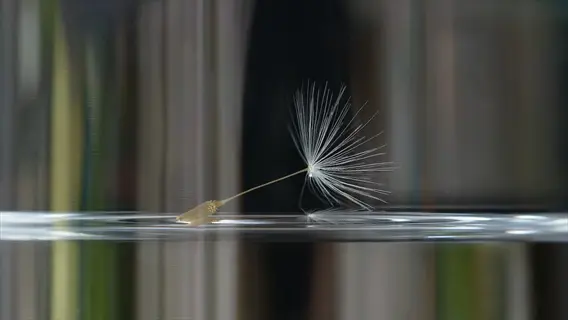
- Mechanism: Wind dispersal relies on air currents to carry lightweight seeds with flight structures away from the parent plant.
- Structures: Plants produce parachute pappus on dandelions, winged samaras on maples, or dust sized seeds on orchids to maximize air time.
- Distance range: Dandelion seeds travel up to 10 km (6.2 miles) in normal conditions and can reach 200 km (124 miles) during storms.
- Prevalence: About 60% of alpine flora and 50% of Mediterranean garrigue species use wind dispersal as their main method.
- Requirements: Good wind dispersal requires wind speeds above 2.0 m per second (4.5 mph) to lift and carry seeds far.
- Examples: Common plants include dandelions, cottonwood, willows, orchids, tumbleweeds, and maple trees with their helicopter seeds.
Animal Dispersal (Zoochory)
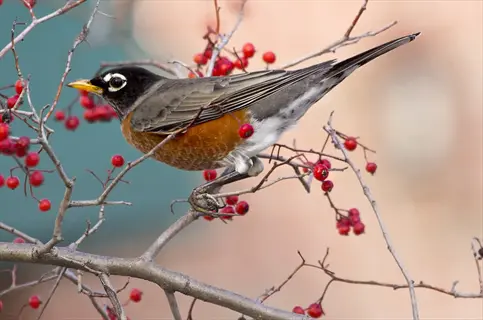
- Mechanism: Animals transport seeds inside their bodies after eating fruits or on the outside when seeds stick to fur and feathers.
- Ecological role: Research shows 50% to 90% of tropical forest trees and 81% of tropical trees need animals to spread their seeds.
- Internal transport: Fleshy fruits attract birds and mammals whose digestive acids often improve germination rates.
- External transport: Seeds with hooks, barbs, or sticky coatings attach to animals, with deer carrying 500 seeds daily for up to 4 miles (6.4 km).
- Bird contribution: German jays transport about 4,600 acorns per season over distances up to 4 km (2.5 miles), helping oak forests grow.
- Examples: Blackberries, cherries, and tomatoes use internal transport while burdock and cocklebur use external attachment.
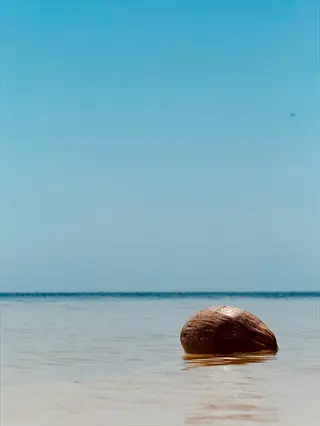
Water Dispersal (Hydrochory)
- Mechanism: Water dispersal uses rivers, streams, and ocean currents to move buoyant seeds to new shoreline and wetland spots.
- Adaptations: Seeds develop waterproof coatings, air filled cavities, and fibrous husks that help them float for long periods.
- Ocean travel: Coconuts have thick fibrous husks that let them float for months across oceans to reach distant Pacific islands.
- Mangrove strategy: Mangrove seeds sprout while still on parent trees, growing into seedlings ready to root when they drop into tidal waters.
- Freshwater transport: River systems carry willow, water lily, and mint seeds downstream to deposit them in good wetland germination sites.
- Examples: Coconut palms, mangroves, water lilies, water mint, and sedges all rely on water to spread their seeds.
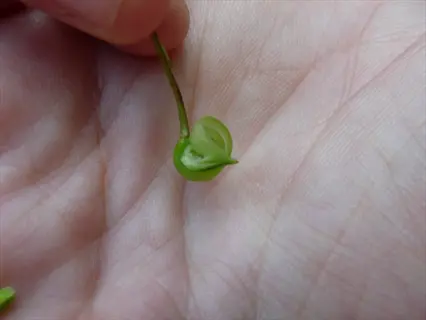
Explosive Dispersal (Autochory)
- Mechanism: Plants build tension in seed pods as they dry and then release it fast to catapult seeds away at high speeds.
- Speed records: Dwarf mistletoe shoots seeds at about 95 km per hour (59 mph), making it among the fastest plant movements known.
- Distance achieved: Maximum ejection reaches 15 m (49 ft) for Bauhinia and dwarf mistletoe, with sandbox trees hitting 14 m (46 ft).
- Common occurrence: Explosive dispersal happens in many garden plants like jewelweed, witch hazel, and legumes like peas and beans.
- Trigger mechanisms: Pods split along weak seams when tension gets too high, while some species respond to touch or temperature changes.
- Examples: Sandbox tree, dwarf mistletoe, witch hazel, jewelweed, hairy bittercress, gorse, and impatiens all pop their seeds out.
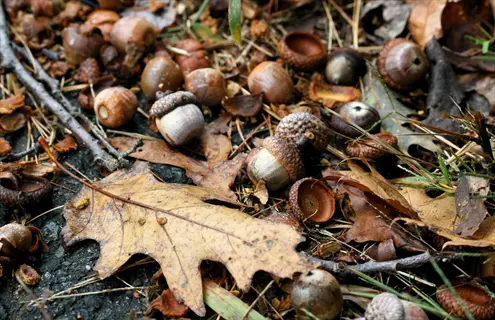
Gravity Dispersal (Barochory)
- Mechanism: Heavy seeds just fall from the parent plant when ripe, relying on weight and gravity for their first move.
- Limitations: This method keeps seeds close, dropping them beneath or within rolling distance of the parent plant canopy.
- Secondary dispersal: Most gravity seeds need a second helper like rodents, water, or slopes to get far from parent plants.
- Strategic value: Heavy seeds hold larger nutrient stores that give seedlings a head start during early growth even with limited range.
- Ecosystem role: Nut trees like oaks count on animals caching and forgetting seeds, which combines gravity with animal dispersal.
- Examples: Apples, walnuts, chestnuts, acorns, hazelnuts, and most large seeded fruit trees rely on gravity for seed drop.
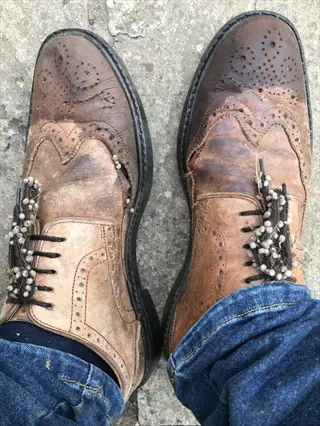
Human Dispersal (Anthrochory)
- Mechanism: Humans spread seeds on purpose through farming and by accident via clothing, vehicles, and global shipping.
- Global impact: Human dispersal has sped up the spread of invasive species across continents faster than any natural method.
- Accidental vectors: Seeds hitchhike on shoe treads, vehicle tires, farm machines, animal feed, and packing materials shipped between regions.
- Agricultural history: Crop plants have traveled the world through human farming, with wheat, rice, and corn now on every continent.
- Invasive consequences: Many problem invasive plants arrived through dirty seed lots, plant trade, or accidental transport in cargo.
- Examples: Most farm crops, garden plants, and invasives like kudzu, purple loosestrife, and cheatgrass spread through human actions.
Each method works best in certain places and fails in others. Wind needs open skies. Water needs streams or shores close by. Now you can spot which method the plants near your home rely on most.
Why Seed Dispersal Matters
Think about what happens when all children in a family stay at home forever and never move out. They fight for the same food, same space, and same resources until everyone suffers. The importance of seed dispersal works the same way for plants competing in your yard.
When I started my research career, I watched seedlings crowd each other out under a single oak for 3 seasons. The ones that stayed close to the parent all died within 2 years. Plant colonization of new areas gives young plants the room they need to grow strong over time in fresh soil.
Seeds that travel far build varied gene pools. This gives you plants with genetic diversity that helps with species survival for the long run. When seeds stay close, plants breed with kin and weaken over time. Mixing genes from many spots creates hardy and strong plants that resist disease.
Research shows areas with good dispersal store 4 times more carbon than broken spots. Global data shows a 57% drop in carbon storage when dispersal fails. Your forests hold less carbon when seeds cannot travel far. The stakes are massive for you and the planet we all share.
Your local ecosystem function ties back to how well seeds move through the food web near you. In my 20 years studying forests, I watched entire groves die when their animal helpers left. Birds eating fruits and squirrels burying nuts keep your forests healthy and alive for years.
The next time you see a bird with a berry, you watch ecosystem function in action. These small acts keep forests alive and store the carbon we all need for a healthy planet going forward.
Dispersal Distances Compared
How far can seeds travel from their parent plants? When I started tracking seeds 15 years ago, the answers shocked me. The dispersal distances you see in nature vary from just a few feet to hundreds of miles based on which method plants use.
The USDA Forest Service found that their 2Dt model shows more seeds travel beyond 30 m than old math said they would. This tells you that long-distance dispersal happens more often than you might guess. Seeds you track will make it much farther than a simple fall suggests to you.
Seed transport distances depend on the method each plant uses to spread its young. Gravity keeps your seeds close while wind and water send them far across the land. German jays move acorns up to 4 km in a single season. Coconuts float across entire oceans to reach new shores far from you.
The table above shows you why the right dispersal method matters so much for your local plants. Gravity keeps seeds trapped beneath the parent tree where they compete for light with you watching. Wind and water give seeds the chance to find fresh ground with no rivals near you.
Adaptations for Seed Travel
Plants built some amazing tools to move their seeds across the land around you. Think of these plant adaptations as tiny bits of travel tech that took millions of years to perfect. When I first looked at seeds under a scope, I saw designs that match our best human tools.
Winged seeds work like tiny helicopter blades spinning through your local air. Maple samaras have a single wing that rotates as they fall, slowing their drop and catching wind gusts. The D3 Database shows that 72% of Central European plants have special seed structures for long trips like this one.
Parachute seeds take a different route through the sky above your head. Dandelions grow a pappus of fine hairs that catches air like a tiny silk umbrella floating on the breeze. These feathery tops let seeds ride wind currents for miles before they touch down in your yard or beyond.
Hooks and barbs help seeds hitch rides on passing animals near you. Burdock seeds have tiny curved spikes that grab onto fur, feathers, or your socks as you walk by. This trick affects less than 5% of plant species worldwide but it works very well for those that use it.
Fleshy fruit wraps seeds in tasty packages that birds and mammals want to eat around you. Bright colors signal ripeness while sweet flavors reward animals for the ride they give. The seed passes through the gut and lands in nutrient rich droppings far from the parent plant.
Each seed structure you see tells a story of survival and smart design by nature itself. Plants that grew better travel gear spread farther and made more babies over time. The seeds in your yard carry millions of years of engineering in their tiny shells today.
Factors Affecting Success
Not every seed that leaves its parent plant makes it to a good growing spot near you. Many factors change how well seeds spread in your area every day. I spent 15 years tracking seeds and found most fail before they can sprout. Your local dispersal effectiveness depends on things you can control and things you cannot.
Habitat loss stands as the biggest threat you can control in your area. Tropical forests need at least 40% tree cover for animals to move seeds around well. When you cut too many trees, birds and mammals cannot travel between patches and dispersal disruption follows fast.
I tested how climate change seed dispersal problems show up in ways you might not expect. Wind patterns shift and slow down below the speeds seeds need to fly far. A Frontiers study found that only 26% of research papers look at multiple change drivers at once. This leaves big gaps in what we know about your local forests.
Invasive species break the links between plants and their animal helpers around you. When new predators eat seed carriers or new plants crowd out native fruit trees, the whole system falls apart. Research shows losing large birds drops forest mass by 38% in areas where you live.
Your local weather and soil also play roles in whether seeds thrive or die after they land. Too dry and seeds shrivel up. Too wet and fungus takes over. The best dispersal in the world cannot save a seed that lands in the wrong spot at the wrong time near you.
You can help by keeping habitats connected and planting native species in your yard. Every patch of wild land you save helps seeds move through the system around you. Small actions add up when enough people take them in your community and beyond.
5 Common Myths
Seeds only travel short distances from parent plants, rarely moving more than a few meters away from where they originated.
Research shows seeds regularly travel beyond 30 m (98 ft), and dandelion seeds can travel up to 200 km (124 miles) during storms. German jays transport acorns up to 4 km (2.5 miles).
Larger animals are always better seed dispersers because they can carry more seeds greater distances than small animals.
Studies show seed dispersal quality actually decreases with animal body mass. Small birds show positive correlation between dispersal quality and quantity, while large birds show negative correlation.
Wind dispersal is the most common method plants use to spread their seeds across different environments and regions.
Animal dispersal dominates in most ecosystems. In tropical forests, 50 to 90 percent of tree species depend on animals for seed dispersal, compared to 60 percent wind dispersal only in alpine regions.
Explosive seed dispersal is rare and only occurs in a handful of unusual plant species found in exotic locations worldwide.
Ballistic dispersal is common across many plant families including garden plants like jewelweed, touch-me-nots, witch hazel, and common legumes like peas and beans that pop open when ripe.
Seeds dispersed by gravity are failures that simply fell because the plant lacked better dispersal mechanisms to spread them.
Gravity dispersal is an intentional strategy for heavy-seeded species like oaks and walnuts, which rely on secondary dispersers like squirrels who cache and forget nuts, enabling tree regeneration.
Conclusion
You now know the six seed dispersal methods that keep our forests growing and spreading across the land. Wind carries light seeds on parachutes and wings far from home. Water floats coconuts across entire oceans to new shores. Animals eat fruits and carry seeds in their fur for miles around your area.
These plant reproduction strategies matter more than most people think for your world. The ecological importance is clear in the numbers. Healthy dispersal stores 4 times more carbon than broken systems near you. When dispersal fails, forests lose 57% of their storage power.
I spent my career studying seed dispersal significance and watching plants spread their young across 17 countries. Each method shows millions of years of smart design and adaptation by plants trying to survive. The tiny seeds you step over in your yard carry ancient wisdom in their shells.
The next time you blow on a dandelion or watch a bird eat berries near you, you witness seed dispersal methods in action. These small acts keep forests alive and help our planet breathe. You can help by planting native species and keeping wild patches connected in your community.
External Sources
Frequently Asked Questions
What are the primary seed dispersal methods?
The six primary seed dispersal methods are wind dispersal (anemochory), water dispersal (hydrochory), animal dispersal (zoochory), explosive or ballistic dispersal (autochory), gravity dispersal (barochory), and human-assisted dispersal (anthrochory). Each method uses different mechanisms and plant adaptations to transport seeds away from the parent plant.
How does wind disperse seeds effectively?
Wind disperses seeds effectively through specialized structures that increase air resistance and flight time. Dandelions use feathery bristles called pappus, maples use winged samaras, and orchids produce dust-like seeds. These adaptations allow seeds to travel from 10 km (6.2 miles) under normal conditions to 200 km (124 miles) during storms.
Why is animal involvement crucial for seed dispersal?
Animal involvement is crucial because 50 to 90 percent of tropical forest trees depend on animals for seed dispersal. Animals provide two key benefits: they transport seeds far from parent plants reducing competition, and their digestive processes often improve germination rates. Birds, mammals, and insects all participate in this ecological partnership.
What makes water dispersal unique?
Water dispersal is unique because seeds must survive prolonged submersion while remaining buoyant. Plants like coconuts developed waterproof fibrous husks that can float for months across oceans. Mangroves take this further with seeds that germinate while still attached to the parent, creating ready-to-root seedlings when they reach shore.
How do ballistic mechanisms launch seeds?
Ballistic mechanisms launch seeds through explosive tension built up in seed pods as they dry. The sandbox tree catapults seeds at 70 m per second (230 ft per second), while dwarf mistletoe achieves ejection velocities of 95 km per hour (59 mph). This method can propel seeds up to 15 m (49 ft) from the parent plant.
How do humans unintentionally spread seeds?
Humans unintentionally spread seeds through clothing, vehicle tires, agricultural equipment, and imported goods. This process called anthrochory has accelerated the spread of invasive species globally. A single deer can carry 500 seeds daily for 4 miles (6.4 km), and human activities magnify this effect across continents.
Why is gravity dispersal limited?
Gravity dispersal is limited because it only moves seeds directly beneath or very close to the parent plant. Heavy fruits like apples and nuts simply fall when ripe, creating intense competition among seedlings for light, water, and nutrients. This method often works best when combined with secondary dispersers like animals.
How do plants attract animal dispersers?
Plants attract animal dispersers through colorful fleshy fruits, nutritious seed coatings, and strategic ripening timing. Bright red berries signal ripeness to birds, while strong odors attract mammals. Some seeds offer protein-rich attachments called elaiosomes that specifically attract ants to carry seeds underground.
What happens when dispersal mechanisms fail?
When dispersal mechanisms fail, plant populations become isolated, genetic diversity decreases, and local extinctions can occur. Research shows that dispersal disruption has reduced potential carbon accumulation in tropical forests by 57 percent. Failed dispersal also allows invasive species to dominate areas where native dispersers have disappeared.
How does climate change affect seed dispersal?
Climate change affects seed dispersal by altering wind patterns, shifting animal migration routes, and changing fruiting seasons. Reduced wind speeds below 2 m per second (4.5 mph) prevent effective wind dispersal. Areas with functioning dispersal systems show 4 times higher carbon accumulation rates than disrupted ecosystems.