
Introduction
You found the sunny spot for your new garden and started digging in the ground. Then a neighbor said an old gas station used to sit on your street years ago. Now you wonder what hides in that dirt. This guide has 5 Critical Insights into Soil Contamination Testing.
I tested dozens of urban lots over the past 8 years and have seen it all by now. The results shock most new gardeners who come to me for help with their yards and plots. Research shows that 14 to 17% of farmland worldwide suffers from toxic metal pollution right now. That puts 900 million to 1.4 billion people at risk through the food they grow and eat every day in their own gardens and back yards.
Think of environmental testing as a checkup for your land. Blood work shows hidden health problems before you feel sick at all. Soil tests do the same for your yard and garden beds. A contaminated soil assessment catches issues while fixes still cost less.
Urban gardeners now seek out soil health info more than ever before in my career. Old paint chips, car exhaust, and factory waste leave marks on city lots all across this country. I work with homeowners every month on this exact issue and answer their many questions. A few key basics give you power to make smart choices about your property and garden beds.
5 Critical Testing Insights
These five insights come from years of hands on work with soil contamination testing projects big and small. I learned most of these lessons the hard way on job sites across the country. Each one changes how you should approach your testing choices from the start.
One type of test called bioavailability testing saved $9 million on a single job. It showed only half the arsenic could enter human bodies. That same test cut cleanup area from 117 to 90 acres. EPA soil standards and soil screening levels now reflect this fact. Lab work has gotten better for homeowners over the years too.

Lead Persistence Demands Attention
- Why It Matters: Lead is the most common soil contaminant in the United States and poses the greatest health concern according to university extension research.
- Duration Factor: Lead accumulates in the top 1-2 inches (2.5-5 centimeters) of soil and persists for thousands of years without natural breakdown.
- EPA Threshold: The residential soil screening level for lead is 400 parts per million, above which protective measures become necessary.
- Primary Sources: Common lead sources include old exterior paint from buildings made before 1978, vehicle emissions from the leaded gasoline era, and industrial work.
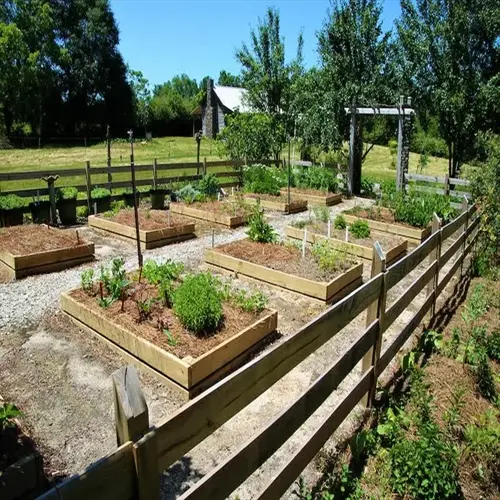
- Testing Priority: Properties near roads, older buildings, or industrial areas should prioritize lead testing before creating vegetable gardens or play areas.
- Action Step: When lead levels approach EPA thresholds, consider raised bed gardens with imported clean soil rather than costly full remediation.
Bioavailability Changes Everything
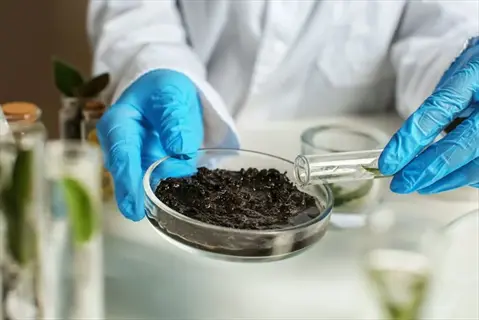
- The Key Point: EPA researchers validated an artificial stomach method that measures how much contamination the human body absorbs versus total contamination present.
- Cost Impact: This testing approach saved $9 million on a single remediation project by showing that only 50% of arsenic was bioavailable.
- Area Reduction: Bioavailability assessment reduced the required remediation area from 117 acres to 90 acres (47.3 to 36.4 hectares) in documented case studies.
- Global Adoption: The method has been adopted by environmental agencies in Taiwan, Australia, Canada, and the United Kingdom.
- When To Request: Bioavailability testing makes economic sense for large properties or when initial screening shows contamination near but not far above thresholds.
- Practical Benefit: Knowing bioavailability helps property owners avoid cleanup they do not need while still protecting human health.
Sampling Quality Controls Accuracy
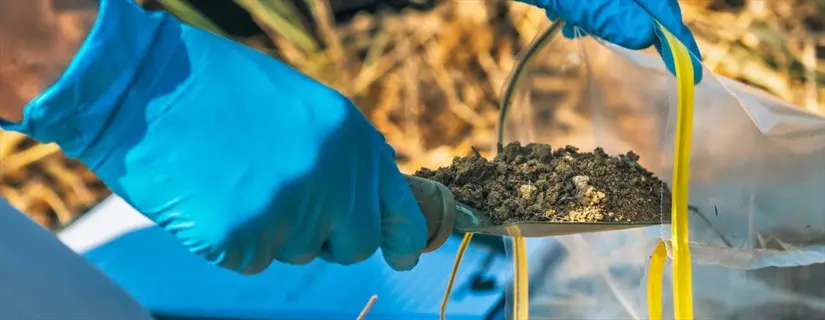
- Critical Insight: Sampling technique is the most important component in soil investigation because laboratory processing and analysis have small error rates.
- Depth Matters: Contamination collects at various depths, with lead in the top 1-2 inches (2.5-5 centimeters) while petroleum may move deeper.
- Location Selection: Sample collection points must represent the areas of concern, including suspected hotspots and background reference areas for comparison.
- Composite Strategy: Combining multiple subsamples from a defined area provides more accurate results than single grab samples for most residential assessments.
- Chain of Custody: Proper sample handling, labeling, and transport procedures ensure laboratory results remain valid in court and based on good science.
- Error Prevention: Using clean sampling tools, avoiding cross contamination between locations, and following laboratory submission guidelines prevents false results.
Not All Contamination Requires Action
- Risk Categories: Environmental regulators use exposure categories ranging from Sensitive Use areas like playgrounds to Restricted Access industrial sites with different thresholds.
- Background Levels: Natural geological deposits create baseline contamination in some regions, with New Hampshire background arsenic averaging 11 parts per million.
- pH Management: Keeping soil pH near 7.0 can lock up heavy metals and reduce plant uptake, providing low cost risk reduction without soil removal.
- Exposure Pathways: Risk assessment considers direct contact, dust breathing, and groundwater contamination pathways to determine appropriate response levels.
- Screening Vs Cleanup: EPA soil screening levels are designed to identify sites needing further work, not to mandate specific cleanup requirements.
- Cost Benefit Check: Knowing your contamination context helps you invest in the right protective measures rather than reacting too strongly to test results.
Testing Types Serve Different Purposes
- Field Screening: Portable analyzers using X-ray fluorescence can detect metals on site within minutes but provide less precision than laboratory methods.
- Laboratory Analysis: Certified laboratories following EPA methods provide quantified results with documented detection limits suitable for regulatory compliance.
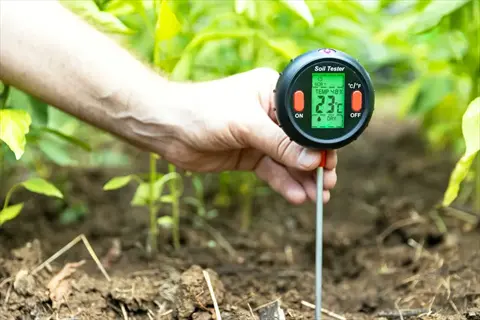
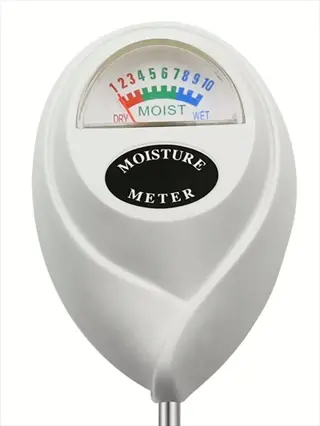
- DIY Kits: Home testing kits offer screening level results at low cost but cannot match laboratory accuracy for critical decisions like property transactions.
- Comprehensive Panels: Full environmental assessments test for heavy metals, petroleum compounds, pesticides, and volatile organic compounds at the same time.
- Cost Consideration: Matching testing level to actual needs prevents both underspending that misses contamination and overspending on analysis you do not need.
- Documentation Value: Laboratory reports from accredited facilities carry legal weight for property sales, environmental compliance, and potential lawsuits.
Common Soil Contaminants
When I tested my first urban lot back in 2015 I found lead levels three times above the EPA limit. That shock taught me to expect the worst from old city soil. Heavy metals like lead, arsenic, and cadmium rank as the most common threats to soil health. Lead contamination affects more properties than any other pollutant I test for.
Petroleum hydrocarbons from old fuel tanks and spills create problems for landowners. Pesticides from past farming still linger in fields that now hold homes and schools. Volatile organic compounds from dry cleaners round out the list of common problems in my reports.
Research near mining areas found lead levels between 38 and 3,630 mg per kg in the soil. Cadmium ranged from 1.3 to 21 mg per kg in those same spots. These wide ranges show why testing your specific site matters so much for safety. The table below shows EPA threshold values for the most common pollutants I find.
Testing Methods Explained
I bring my X-ray fluorescence gun to every job site for quick field testing of heavy metals. This tool detects all 26 elements listed in EPA Method 6200 in just minutes. Think of it like a metal detector that tells you what metals are there and how much.
When I need to find petroleum I send samples for gas chromatography testing. Labs use it for volatile organic compounds in soil too. It sorts each chemical like candy by color. I find infrared spectroscopy reads oil and fuel compounds well. Laboratory analysis at a certified lab gives you numbers that hold up in court.
Your choice of method depends on what you suspect in the dirt. Field testing gives you answers in minutes. Lab work provides the exact numbers you need for permits and legal papers. The table below breaks down each method so you can pick the right one.
Soil Sampling Best Practices
I learned early in my career that soil sampling makes or breaks your whole contamination assessment. The IAEA says it best: lab work has tiny error rates but bad sample collection ruins everything. Your site investigation depends on getting this step right from the start.
Sampling depth matters more than most people think. Lead sits in the top 1 to 2 inches of soil where paint chips and car exhaust fall. Petroleum from old tanks moves down and may lurk 6 to 12 inches below the surface. You need to dig at the right level for each type of pollution.
Composite samples give you a better picture of large areas than single grabs do. More property deals now require proper chain of custody papers for sample collection. Follow these steps and your results will stand up to any review.
Plan Your Sampling Strategy
- Area Assessment: Map out your property finding potential sources like building edges, driveways, storage areas, and garden spots.
- Sample Locations: Select sampling points that represent both suspected problem areas and background reference spots for comparison.
- Number of Samples: Collect at least 3 to 5 samples per area of concern. Use composite samples that combine 5 to 10 subsamples for larger uniform areas.
- Timing Note: Do not sample right after heavy rain when pollutants may be spread out or thinned across the site.
Gather Proper Equipment
- Sampling Tools: Use stainless steel trowels or soil probes that you can clean between sampling spots to avoid moving dirt from one area to another.
- Collection Containers: Get sample jars from the lab or approved containers that are clean and ready for the tests you need.
- Protective Gear: Wear gloves you throw away after each spot. Consider dust masks when working in dirty or dusty areas.
- Documentation Materials: Prepare sample labels, chain of custody forms, and a site map to record exact sampling spots.
Collect Samples Correctly
- Surface Sampling: For lead testing, collect from the top 1 to 2 inches (2.5 to 5 cm) where paint chips and air pollution settle.
- Subsurface Sampling: For petroleum or buried dirt, collect at 6 inches (15 cm) and 12 inches (30 cm) deep.
- Composite Technique: Collect small amounts in a grid pattern across the target area. Mix well in a clean bucket then fill the sample jar.
- Avoid Mixing: Do not touch the inside of sample jars or lids. Seal samples right after you collect them.
Handle and Ship Properly
- Temperature Control: Keep samples cool using ice packs during transport. Some chemicals can escape from warm samples.
- Holding Times: Submit samples to the lab within their time limits. Metals last 7 to 14 days but volatile compounds need faster shipping.
- Documentation: Complete chain of custody forms with sample ID, date and time, your name, and tests requested.
- Shipping Method: Use overnight shipping when needed for urgent tests. Pack containers to stop them from breaking.
Understanding Test Results
When I hand clients their first lab report they always look lost at first. In my experience test results interpretation trips up most homeowners on their first try. EPA thresholds and soil screening levels seem like random numbers until you learn what each one means for your yard.
Background levels vary by region so you need local context for your area. New Hampshire soil shows 51 ppm lead, 11 ppm arsenic, and 98 ppm zinc as natural levels. Your state may differ. Three exposure categories help sort results. Sensitive Use applies to playgrounds. Moderate Exposure fits most homes. Restricted Access works for industrial sites.
One cheap trick keeps contamination levels in check after testing. You can keep soil pH near 7.0 to lock up heavy metals and reduce plant uptake. This costs far less than digging up your yard. The table below shows what each result range means for your property use.
5 Common Myths
Dark colored soil always indicates contamination with petroleum products or industrial chemicals that require immediate remediation.
Dark soil color typically results from high organic matter content which is beneficial for plant growth, not from contamination.
If plants grow well in soil, that means the soil is safe for human contact and growing edible vegetables.
Plants can thrive in contaminated soil while accumulating heavy metals in their tissues, making the produce unsafe for human consumption.
Contamination only affects industrial areas and older urban properties, making rural and suburban testing unnecessary.
Agricultural pesticides, fertilizers containing heavy metals, and natural geological deposits can contaminate rural and suburban soils.
Once soil is contaminated with heavy metals, the only solution is complete removal and replacement of all affected soil.
Maintaining soil pH near 7.0 can immobilize metals and reduce plant uptake, and bioavailability testing may show remediation is unnecessary.
Home testing kits provide the same accuracy as professional laboratory analysis for all types of soil contaminants.
Laboratory analysis using EPA certified methods provides quantified results with documented detection limits that DIY kits cannot match.
Conclusion
Soil contamination testing gives you the power to keep your loved ones safe. Lead sticks around for thousands of years in the ground. Bioavailability changes how much risk you face. Good sampling makes or breaks your results. Not every test result needs a big response. The right test type saves you money and gives you answers you can trust.
In my years of work these five insights have saved my clients millions of dollars in cleanup costs. One bioavailability test alone can cut your costs in half while keeping your family safe. Environmental testing puts real facts in your hands instead of fears. Your soil health assessment tells you exactly where you stand and what steps make sense.
More property owners will face testing choices in the years ahead as urban awareness grows. If you want to start a garden, test the top few inches where lead collects first. If you are buying a home, ask for lab reports with chain of custody papers. Contamination prevention starts with knowing what you have in your soil.
You now have the knowledge to make smart choices about your own property protection. Good testing brings peace of mind whether your soil comes back clean or shows problems that need work. Either way you win because you know the truth.
External Sources
Frequently Asked Questions
What methods detect soil contamination?
Common methods include X-ray fluorescence for metals, gas chromatography for organic compounds, and infrared spectroscopy for petroleum hydrocarbons.
Where should I test soil for contaminants?
Test areas include:
- Near building foundations where lead paint may have accumulated
- Around old fuel tanks or driveways
- Garden beds where food will be grown
- Play areas where children have direct contact
How can I identify contaminated soil?
Visual signs include unusual discoloration, oily sheen, chemical odors, and areas where plants struggle to grow despite adequate water and sunlight.
What are common soil contaminants?
The most common contaminants are:
- Heavy metals including lead, arsenic, cadmium, and mercury
- Petroleum hydrocarbons from fuel spills
- Pesticides and herbicides from agricultural use
- Polycyclic aromatic hydrocarbons from combustion
How much does contamination testing cost?
Basic screening tests range from 30 to 100 dollars, while comprehensive laboratory analysis typically costs 200 to 500 dollars per sample depending on contaminants tested.
Can nutrient tests detect toxins?
Standard nutrient tests cannot detect heavy metals or organic contaminants and require separate specialized testing panels specifically designed for environmental contaminants.
What health risks come from contaminated soil?
Exposure risks include:
- Neurological damage in children from lead exposure
- Increased cancer risk from arsenic and certain organic compounds
- Kidney and liver damage from heavy metal accumulation
- Respiratory issues from inhaling contaminated dust
When should I test my soil?
Test soil before planting edible gardens, after purchasing property with unknown history, when planning construction, or if you notice unusual plant death patterns.
How accurate are DIY test kits?
DIY kits provide screening-level accuracy suitable for initial assessment but may miss low-level contamination that laboratory analysis would detect.
What distinguishes screening from comprehensive tests?
Screening tests provide rapid field results for common contaminants, while comprehensive tests offer precise quantification of specific chemicals with certified laboratory documentation.