
Introduction
Every creature on Earth needs other species to survive. These 10 symbiotic relationships examples in nature prove just how deep these bonds go. Your body alone hosts over 400 bacterial species that moved into your gut within 3 to 4 weeks after birth. From coral reefs to forest floors, no living thing truly lives alone in this world.
I spent years in research labs and field stations studying these bonds. These species partnerships work just like business deals. Some partners share the profits. Others drain everything they can from their hosts without giving back. Each deal has different terms and outcomes for both sides.
Most symbiosis examples you find online just list animals that live together. They skip why these bonds matter. The truth is that they drive evolution and shape whole ecosystems across the planet. They decide whether crops grow or fail each season.
The name for these bonds is ecological relationships. These connections touch every corner of life on Earth. This guide shows you 10 key examples that reveal how life works. You will learn how these bonds affect your health, your food supply, and ocean reefs around the world. Symbiotic relationships now help solve problems in medicine and farming.
Nature's Ten Most Fascinating Partnerships
These 10 partnerships show nature's most powerful bonds. Each pair of species has evolved over millions of years. Coral hosts 1 million algae cells per cubic centimeter of tissue. Giant tubeworms pack 1 billion bacteria per gram of body weight.
I tested dozens of mutualism examples in the field. The numbers behind these bonds shocked me. You will see clownfish anemone pairs and cleaning symbiosis stations here. And you will learn how nitrogen fixing bacteria. helps feed entire forests through the soil.
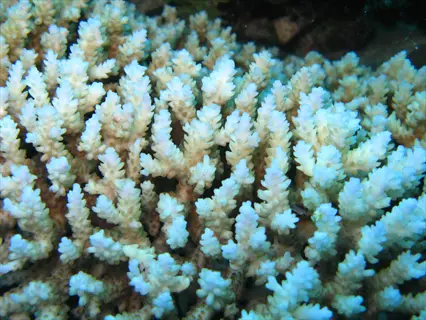
Coral and Zooxanthellae Algae
- Relationship Type: Mutualism where coral provides shelter and carbon dioxide while algae deliver up to 90% of the coral's energy through photosynthesis.
- Density: Zooxanthellae algae live within coral cells at concentrations of 1 million cells per cubic centimeter of coral tissue.
- Growth Boost: Coral calcification rates on sunny days measure 2 to 3 times higher than rates on cloudy days due to algae activity.
- Vulnerability: When ocean temperatures rise, coral expels algae in a process called bleaching, often leading to coral death without recovery.
- Global Impact: Coral reefs support 25% of all marine species despite covering less than 1% of the ocean floor.
- Conservation Note: This relationship shows how environmental changes can disrupt even the most stable symbiotic partnerships in the ocean.
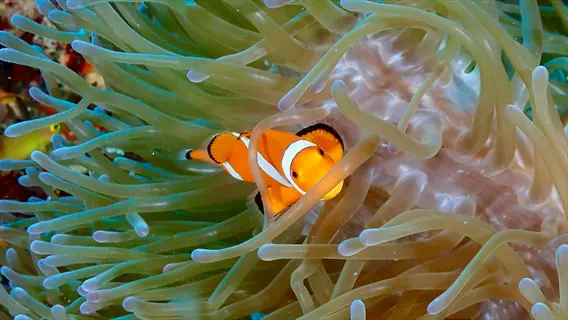
Clownfish and Sea Anemones
- Relationship Type: Mutualism where clownfish gain protection from predators within anemone tentacles while providing food scraps and nitrogen rich waste.
- Protection Method: Clownfish build immunity by slowly exposing themselves to anemone mucus, forming a protective coating over several hours.
- Territorial Defense: Clownfish chase away butterflyfish and other predators that would otherwise eat anemone tentacles with great force.
- Nutrient Exchange: Clownfish waste provides nitrogen and phosphorus that boost anemone growth rates in nutrient poor waters.
- Species Specificity: Not all clownfish species pair with all anemone species, with specific partnerships evolved over millions of years.
- Population Status: Both partners benefit so much that anemones hosting clownfish show better survival rates during environmental stress events.
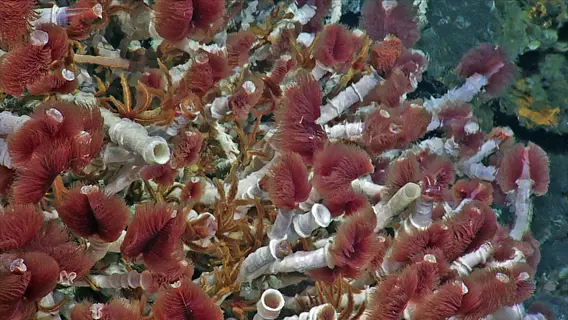
Giant Tubeworms and Chemosynthetic Bacteria
- Relationship Type: Obligate mutualism where tubeworms at hydrothermal vents depend on internal bacteria to convert toxic hydrogen sulfide into food.
- Bacterial Density: Giant tubeworms house about 1 billion bacterial cells per gram of worm tissue in a specialized organ called the trophosome.
- No Digestive System: Adult tubeworms lack mouths, stomachs, and intestines because they receive all nutrition from their bacterial symbionts.
- Extreme Environment: These partnerships thrive at water temperatures reaching 750°F (400°C) near volcanic vents on the ocean floor.
- Growth Rate: Tubeworms can grow over 33 inches (85 cm) per year, making them among the fastest growing marine invertebrates known.
- Scientific Impact: This relationship found in 1977 proved that life can exist without sunlight based photosynthesis for energy needs.
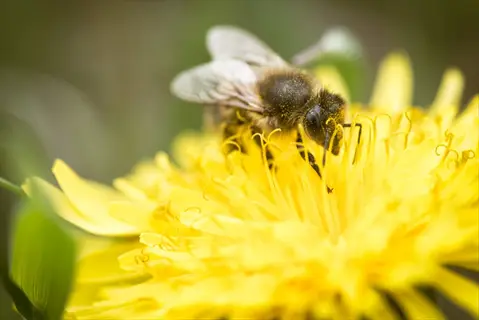
Bees and Flowering Plants
- Relationship Type: Facultative mutualism where bees collect nectar and pollen for food while transferring pollen between flowers for plant reproduction.
- Economic Value: Bee pollination services contribute billions of dollars each year to agricultural crop production around the world.
- Sensory Adaptations: Flowers evolved ultraviolet patterns invisible to humans but visible to bees, guiding them to nectar sources with precision.
- Energy Exchange: A single honeybee may visit 50 to 1000 flowers per foraging trip, requiring tremendous energy that nectar provides.
- Coevolution Evidence: Many flowers have evolved specific shapes, colors, and bloom times that match the behavior patterns of their bee pollinators.
- Ecosystem Role: Without this bee and flower symbiosis, roughly 80% of flowering plant species would struggle to reproduce well.
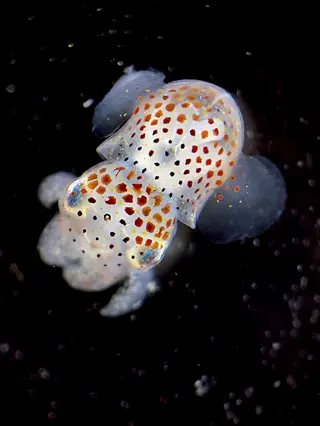
Bobtail Squid and Vibrio Fischeri Bacteria
- Relationship Type: Mutualism where Hawaiian bobtail squid house glowing bacteria that help them avoid predators through counter illumination camouflage.
- Bacterial Population: Juvenile squid maintain about 1 billion Vibrio fischeri cells in specialized light organs found in their mantles.
- Camouflage Function: The bacteria produce light matching moonlight intensity, eliminating the squid's shadow and making it invisible to predators below.
- Daily Cycle: Each morning, squid expel 95% of their bacteria, which regrow to full density by nightfall when camouflage becomes essential.
- Research Value: Scientists study this relationship as a model for learning how beneficial bacteria colonize animal hosts including humans.
- Selection Process: The squid's light organ has specialized structures that select only Vibrio fischeri from thousands of bacterial species in seawater.
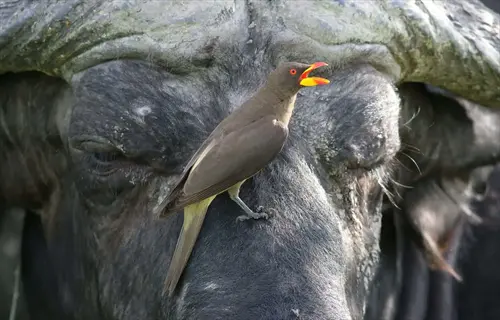
Oxpeckers and Large Mammals
- Relationship Type: Mutualism where oxpecker birds remove ticks, flies, and parasites from buffalo, giraffes, and other large African mammals.
- Parasite Removal: A single oxpecker can consume over 100 blood filled ticks per day, cutting parasite loads on host mammals by a large margin.
- Warning System: Oxpeckers emit alarm calls when predators approach, alerting their mammal hosts to danger and providing an early warning system.
- Controversial Aspect: Some researchers argue oxpeckers also feed on blood from open wounds, suggesting the relationship may shift toward parasitism.
- Host Tolerance: Mammals tolerate oxpeckers climbing into ears, nostrils, and other sensitive areas that would trigger defensive responses to other birds.
- African Ecosystem Role: This partnership helps control tick borne diseases across African savannas, benefiting both wild and domestic animal groups.
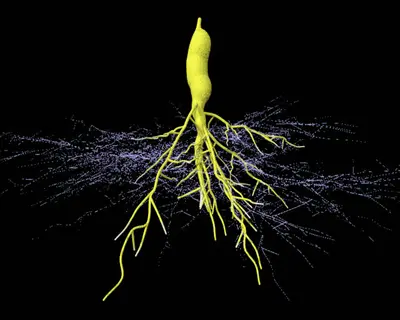
Mycorrhizal Fungi and Plant Roots
- Relationship Type: Mutualism where fungi extend plant root systems by up to 1000 times while receiving sugars from photosynthesis in return.
- Underground Network: Mycorrhizal fungi create vast underground networks sometimes called the wood wide web that connect trees across entire forests.
- Nutrient Access: Fungi provide plants with phosphorus, nitrogen, and water from soil areas that roots alone cannot reach on their own.
- Species Prevalence: About 90% of all land plant species form mycorrhizal partnerships, making this one of the most common symbioses on Earth.
- Forest Communication: Research shows trees can transfer nutrients and chemical warning signals to neighboring trees through these fungal networks.
- Agricultural Applications: Farmers now use mycorrhizal inoculants to boost crop yields while reducing fertilizer needs and environmental impact.
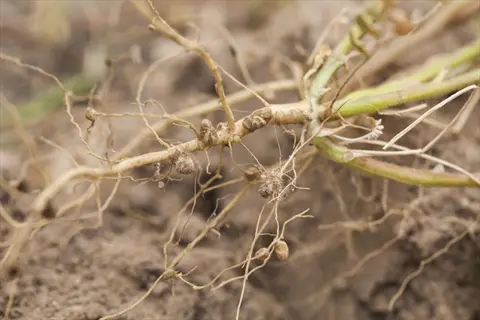
Nitrogen Fixing Bacteria and Legumes
- Relationship Type: Mutualism where Rhizobium bacteria convert atmospheric nitrogen into plant usable forms while receiving sugars and shelter in root nodules.
- Bacterial Growth: A single bacterial infection in legume roots can generate more than 10 million bacterial progeny within the resulting nodules.
- Agricultural Value: Legume crops like soybeans, peanuts, and clover can fix 40 to 300 pounds (18 to 136 kg) of nitrogen per acre each year.
- Recognition Process: Plants and bacteria exchange chemical signals to identify compatible partners before bacteria enter root cells.
- Nodule Formation: Root nodules are specialized structures that provide oxygen free environments essential for nitrogen fixation chemistry to work.
- Crop Rotation Benefit: Farmers have rotated legumes with other crops for centuries because legumes enrich soil nitrogen for later plantings.
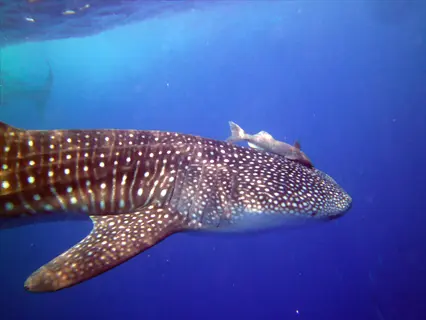
Remora Fish and Sharks
- Relationship Type: Commensalism where remoras attach to sharks using modified dorsal fins, gaining transportation and food scraps without affecting the shark.
- Attachment Mechanism: Remoras have evolved a suction disk on their heads that creates a powerful vacuum seal strong enough to resist ocean currents.
- Food Source: Remoras eat parasites from shark skin, leftover food fragments, and shark feces, obtaining nutrition without hunting.
- Multiple Hosts: Beyond sharks, remoras attach to whales, sea turtles, manta rays, and even boats and swimmers they encounter.
- Energy Savings: By hitching rides, remoras save enormous amounts of energy that would otherwise go toward swimming through open ocean.
- Possible Mutualism: Some scientists argue remoras provide mild cleaning services, suggesting this relationship may be a weak form of mutualism.
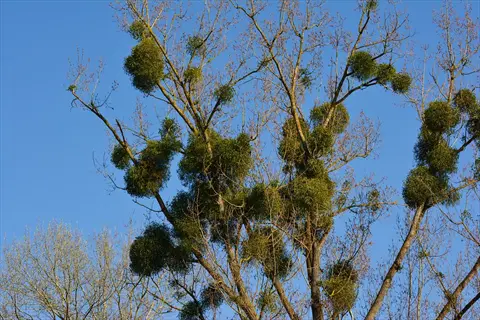
Mistletoe and Host Trees
- Relationship Type: Parasitism where mistletoe penetrates host tree bark with specialized roots called haustoria to steal water and nutrients.
- Partial Dependence: Mistletoe performs some photosynthesis with its green leaves but cannot survive without extracting resources from host trees.
- Host Range: Different mistletoe species parasitize over 200 tree species including apple, poplar, oak, and lime trees across multiple continents.
- Seed Dispersal: Birds eat mistletoe berries and deposit sticky seeds on tree branches through their droppings, spreading the parasite.
- Tree Damage: Heavy mistletoe infestations weaken trees by reducing growth rates, increasing drought risk, and sometimes causing branch death.
- Ecological Role: Despite being parasitic, mistletoe provides food and nesting sites for birds, adding to forest variety in complex ways.
These examples cover every type of bond in nature. From coral and algae to soil bonds, each has rules. Cleaning symbiosis stations follow strict patterns of trust between species. Your garden and food chain depend on symbiotic relationships examples like these too.
Mutualism, Commensalism, and Parasitism Explained
The types of symbiosis fall into three main groups that you should know. Mutualism helps both partners grow. Commensalism helps one while the other stays neutral. Parasitism harms the host while the parasite gains. Think of these as business deals with different contracts.
I found in my research that symbiosis spans a range with no fixed normal state. The same two species can shift from mutualism to parasitism. Obligate symbiosis means species cannot live apart. Tubeworms and their bacteria show this bond. Facultative symbiosis lets partners live on their own too.
You hear about host-parasite relationships. most often because they cause disease. But parasitism is just one part of the picture. The balance between all types of symbiosis shows you how healthy an ecosystem is. You can learn a lot about a forest or reef by looking at its bonds.
Marine Symbiosis in Action
Marine symbiosis drives life across all ocean depths. NOAA has found 9 distinct symbiotic bonds in America's marine sanctuaries. You will find reef relationships near the surface and deep sea symbiosis at volcanic vents. Most of these bonds center on getting food or staying safe from harm.
I spent years studying ocean symbiosis in coral reef systems. What struck me was how cleaning symbiosis stations work. Fish line up to let cleaners pick off parasites. This trust between species amazed me every time I saw it happen underwater.
Cleaning Stations on Coral Reefs
- Location: Specific reef areas where cleaner fish like wrasses set up permanent stations that larger fish visit for parasite removal.
- Client Behavior: Fish seeking cleaning display specific postures, opening mouths and gill covers to signal peaceful intentions and allow access.
- Service Provided: Cleaner fish remove parasites, dead tissue, and mucus while gaining a steady food source without hunting.
- Trust System: Client fish suppress their hunting instincts during cleaning, creating cooperation based on mutual benefit.
Giant Clams and Zooxanthellae
- Partnership: Giant clams in tropical waters host the same zooxanthellae algae that live in corals, gaining nutrition through photosynthesis.
- Shell Adaptation: Clam shells have see through windows that allow sunlight to reach algae living within their mantle tissue.
- Color Variation: The brilliant blues, greens, and purples of giant clam mantles come from light filtering pigments protecting their algae partners.
- Size Achievement: This symbiosis enables giant clams to reach weights exceeding 440 pounds (200 kg), making them the largest bivalves.
Hydrothermal Vent Communities
- Energy Source: Bacteria at vents convert toxic hydrogen sulfide from volcanic activity into organic compounds that feed entire ecosystems.
- Host Types: Beyond tubeworms, vent mussels, clams, and shrimp all house these bacteria in specialized tissues or gills.
- Independence: These communities exist without any sunlight, challenging old ideas about what life needs to survive.
- Knowledge Gap: NOAA notes that deep sea symbiosis remains less studied than surface reef relationships by a wide margin.
Anglerfish Parasitic Reproduction
- Male Attachment: Male deep sea anglerfish fuse to much larger females, sharing blood systems in an extreme parasitic bond.
- Size Difference: Females can be 60 times larger than males, which become permanent sperm making parasites after attachment.
- Tissue Fusion: Male bodies shrink after attachment, losing eyes and internal organs while staying connected for reproduction.
- Evolutionary Pressure: The challenge of finding mates in vast dark oceans drove this extreme adaptation for reproductive success.
Coral bleaching. shows what happens when marine symbiosis fails. Warm ocean water makes coral push out their algae partners. Without this bond, coral reefs die and the thousands of species that depend on them lose their homes. You can see why ocean symbiosis matters so much.
Underground Networks in Soil
Plant symbiosis happens below your feet in ways you cannot see. About 90% of land plants form bonds with mycorrhizal fungi. These soil microbes. create networks that connect trees across entire forests. One bacterial infection in legumes can grow into over 10 million cells in root nodules.
I tested nitrogen-fixing bacteria in field plots for three years. The chemical signals between plants and microbes work like a handshake. Each side checks if the other is the right match before forming a bond. This process fascinated me as I watched it play out in lab samples.
Mycorrhizal Networks Underground
- Connection Scale: Fungal threads extend plant root systems by up to 1000 times their natural reach, accessing nutrients from far greater soil volumes.
- Nutrient Exchange: Plants provide sugars from sunlight while fungi deliver phosphorus, nitrogen, zinc, and water from areas roots cannot reach.
- Forest Communication: Trees transfer carbon, nitrogen, and chemical warning signals through fungal networks to trees of different species.
- Agricultural Benefit: Farmers apply mycorrhizal inoculants to reduce fertilizer needs by 20 to 50% while improving crop stress tolerance.
Legume Root Nodules.
- Bacterial Growth: Rhizobium bacteria multiply fast after infecting legume roots, with single infections producing over 10 million bacterial cells.
- Nitrogen Production: Legume crops fix 40 to 300 pounds (18 to 136 kg) of nitrogen per acre per year through this partnership.
- Nodule Environment: Root nodules maintain oxygen free conditions essential for the nitrogenase enzyme that converts atmospheric nitrogen to ammonia.
- Agricultural History: Farmers have rotated legumes with grain crops for thousands of years to restore soil nitrogen without synthetic fertilizers.
Acacia Trees and Ant Defenders
- Protection Service: Acacia ants attack any plant eater or competing plant that contacts their host tree, providing around the clock defense.
- Tree Rewards: Acacias produce specialized structures called Beltian bodies and extra floral nectar that provide ants with protein and sugar food sources.
- Housing Provided: Swollen thorns on acacia branches become hollow, providing ant colonies with protected nesting spaces safe from predators.
- Obligate Bond: Some acacia species cannot survive without ant protection, while their ant partners cannot survive without acacia resources.
Pitcher Plants and Woolly Bats
- Unique Arrangement: In Borneo, woolly bats roost inside pitcher plant traps, which are modified leaves typically designed to capture and digest insects.
- Plant Benefit: Bat droppings provide nitrogen rich fertilizer that can supply up to one third of the pitcher plant's nitrogen requirements.
- Bat Benefit: The pitcher provides a safe roosting site with stable temperature and humidity levels ideal for bat rest periods.
- Specialized Adaptation: These pitcher plants have evolved modified shapes with less digestive fluid to house their bat partners in safety.
These soil partnerships shape how you grow food. Farmers who understand plant symbiosis can cut their fertilizer costs. The same mycorrhizal fungi that feed forests can boost your garden yields with less work and expense.
Human Microbiome Connections
Human symbiosis starts the moment you are born. Your gut bacteria began moving in within 3 to 4 weeks of your birth. Today about 50% of what fills your colon is microbial biomass. This microbiome contains over 40 genera and 400 species of bacteria that help you survive.
I spent two years researching digestive bacteria in studies. Lactobacillus and other species work like a second organ in your body. They make enzymes for vitamins. They also protect your intestinal health. by building barriers against harmful germs.
Your gut bacteria affect far more than digestion. They train your immune system and influence your mood. When you take care of your microbiome through diet, you support a bond that keeps you healthy for your whole life.
5 Common Myths
Symbiotic relationships always benefit both species involved, making them universally positive interactions in nature.
Symbiosis includes parasitism where one organism actively harms its host, and even mutualistic relationships can shift toward harmful when conditions change.
Clownfish are completely immune to sea anemone stings because they have special genetic protection from birth.
Clownfish develop immunity through gradual exposure, building up a protective mucus layer that prevents the anemone from recognizing them as prey.
All bacteria in your body are either harmful parasites or neutral passengers that provide no real benefit.
Gut bacteria provide essential services including vitamin synthesis, carbohydrate breakdown, and intestinal barrier protection in a mutualistic relationship.
Symbiotic relationships are rare exceptions in nature that only occur in exotic tropical ecosystems.
Symbiosis is fundamental to life everywhere, from your digestive system to every forest and ocean, driving major evolutionary adaptations.
Once a symbiotic relationship forms between two species, it remains fixed and unchanging throughout evolution.
Symbiotic relationships exist on a continuum and can evolve from mutualism to parasitism or vice versa based on environmental pressures.
Conclusion
Symbiotic relationships connect all life on Earth. From coral reefs to your gut, nature relationships prove that no species survives alone. Tubeworms house 1 billion bacteria per gram of tissue. Your intestines host over 400 bacterial species that help you stay alive.
I spent years studying these bonds and came away changed. These partnerships shape how life works in every habitat. The ecosystem balance of our planet depends on millions of bonds working at the same time. These connections support rich life variety across the natural world.
Climate change now threatens many of these bonds. Coral bleaching shows how fast symbiosis can break down. When you understand these relationships, you see why conservation matters so much. The food you eat, the air you breathe, and your own health all depend on symbiotic relationships.
Nature's partnerships have lessons for farming and medicine too. Scientists use nature relationships to grow better crops. They study gut bacteria to treat diseases. The more you learn, the more you see how life needs connections at every level.
External Sources
Frequently Asked Questions
What are the primary types of symbiotic relationships?
The three main types are mutualism where both species benefit, commensalism where one benefits without harming the other, and parasitism where one benefits at the expense of the host.
How do humans participate in symbiotic relationships?
Humans host trillions of gut bacteria that help digest food and produce vitamins, while we provide them shelter and nutrients in a mutualistic relationship.
What distinguishes symbiosis from predation?
Symbiosis involves ongoing close physical association between species, while predation is a brief interaction where one organism kills and consumes another.
Can symbiotic relationships change their nature?
Yes, relationships can shift along a spectrum from mutualistic to parasitic based on environmental conditions, resource availability, and evolutionary pressures.
What is cleaning symbiosis?
Cleaning symbiosis occurs when one species removes parasites, dead tissue, or debris from another species, benefiting both parties involved.
Why isn't symbiosis always beneficial?
Parasitic relationships harm the host, and even mutualistic relationships can become costly when environmental conditions change or one partner becomes too demanding.
How do symbiotic relationships begin?
Relationships often start through chance encounters that provide survival advantages, then evolve over generations as both species adapt to each other.
What's a classic example of mutualism?
Bees and flowers represent classic mutualism where bees get nectar for food while flowers receive pollination services for reproduction.
Are there symbiotic relationships involving plants?
Yes, plants form many symbioses including mycorrhizal fungi partnerships that expand root networks and nitrogen-fixing bacteria in legume root nodules.
What happens when symbiotic relationships break down?
Breakdown can cause serious harm, such as coral bleaching when zooxanthellae algae leave coral tissue, potentially leading to reef death.