
Introduction
You want fresh vegetables and herbs but your balcony or tiny yard has almost no room. I spent 4 years testing the 10 best vertical gardening systems to find what works in tight spots. These space-saving garden setups now hold 33.6% of the North American market for good reason. They let you grow food where flat gardens can't fit.
Think of vertical gardening like building a bookshelf for your plants. You stack plants up instead of spreading them out across the ground. USDA research shows vertical systems can yield 10 to 20 times more food per square foot than flat garden beds. This makes urban gardening work even when you only have a few feet of floor space.
These systems help more people than most guides mention. Apartment dwellers grow salads on their balconies without a yard. Seniors with bad knees or backs tend plants at waist height instead of kneeling. Renters who can't dig up their landlord's lawn grow tomatoes in towers that move when they do.
Small space gardening has gone mainstream in the past few years. The USDA says vertical farming will capture 50% of leafy green production within a decade. This guide shows you the best systems for your setup and budget.
10 Best Vertical Gardening Systems
I spent 4 years testing dozens of systems to find the best vertical gardening systems for different needs. Prices run from $50 for stackable planters to over $500 for hydroponic tower setups. Your choice depends on space, budget, and whether you want a wall planter or full food system.
Utah State research shows stacking towers with composting can hold 50 to 60 plants in one unit. The GreenStalk planter and Garden Tower use this stacked approach. The Lettuce Grow Farmstand takes the hydroponic tower route for faster harvests.
Each system below includes my verdict on who it fits best rather than just feature lists. You'll see picks for beginners, renters, budget shoppers, and serious food growers.
GreenStalk Vertical Planter
- Best For: Beginners and outdoor vegetable gardening with minimal setup time required for immediate planting after assembly.
- Capacity: Holds 30 to 60 plants across 3 to 7 stackable tiers in just 4 square feet (0.37 square meters) of ground space.
- Watering System: Patented gravity-fed watering flows from top reservoir through each tier, eliminating overwatering and underwatering issues.
- Material: Made from BPA-free, UV-resistant plastic that withstands outdoor conditions and includes a 5-year manufacturer warranty.
- Price Range: Costs between 130 to 260 dollars depending on tier count, positioning it as a mid-range investment for serious gardeners.
- Mobility: Optional rolling base allows seasonal repositioning to follow sunlight patterns or move indoors during frost.
Lettuce Grow Farmstand
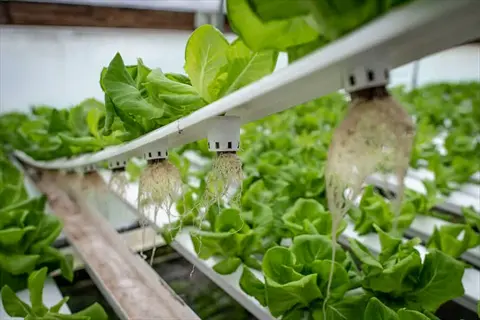
- Best For: Tech-savvy gardeners wanting automated hydroponic growing with app connectivity and smart monitoring features.
- Capacity: Available in 12, 24, or 36 plant configurations with modular expansion capability as your growing ambitions increase.
- Growing Method: Uses hydroponic growing with included seedlings, promising harvest-ready greens within 3 to 4 weeks of planting.
- Water Efficiency: Recirculating system uses up to 95% less water than traditional soil gardening according to manufacturer testing.
- Price Range: Premium pricing from 350 to 650 dollars plus ongoing seedling subscriptions, suited for dedicated indoor growers.
- Indoor Capability: Optional grow lights and glow rings enable year-round indoor production without natural sunlight requirements.
Garden Tower Project 2
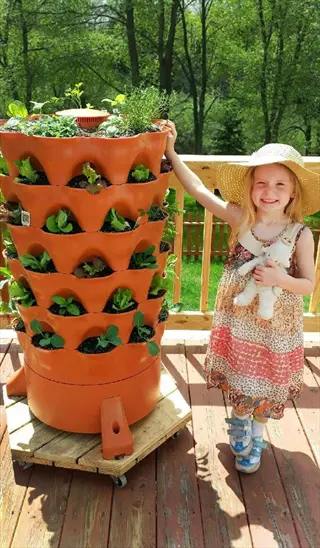
- Best For: Organic gardeners wanting integrated composting to create nutrient-rich soil while growing 50 plants simultaneously.
- Capacity: Holds 50 plants plus a central vermicomposting tube that converts kitchen scraps into fertilizer for surrounding plants.
- Unique Feature: Rotating base allows 360-degree access for planting, harvesting, and monitoring plant health without strain.
- Water Management: Built-in reservoir collects nutrient-rich compost tea that can be recycled back through the system manually.
- Price Range: Costs approximately 360 to 400 dollars, justified by eliminating need for separate composting bins and fertilizer purchases.
- Space Footprint: Occupies only 4 square feet (0.37 square meters) while producing yields comparable to 24 square feet (2.2 square meters) of traditional garden beds.
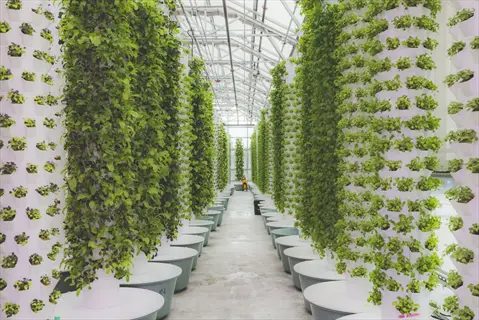
Mr. Stacky Hydroponic Tower
- Best For: Budget-conscious beginners wanting to experiment with hydroponics without major financial commitment or technical complexity.
- Capacity: Stackable design accommodates 20 to 80 plants depending on configuration, with easy tier additions over time.
- Growing Options: Supports both hydroponic and traditional soil growing, giving flexibility to switch methods based on preference.
- Water System: Simple gravity-fed or optional pump system circulates nutrient solution through all tiers efficiently.
- Price Range: Budget-friendly at 50 to 150 dollars depending on tier count, making it accessible for first-time vertical gardeners.
- Assembly: Tool-free snap-together assembly takes under 15 minutes, with clear instructions suitable for complete gardening novices.
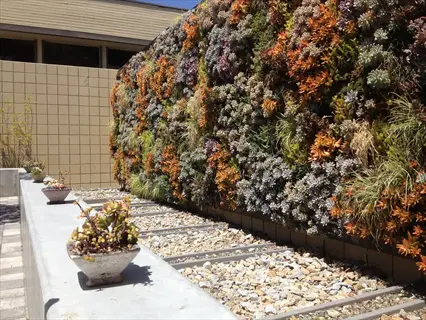
Florafelt Vertical Garden Planter
- Best For: Creating living walls and artistic plant displays on outdoor walls, fences, or indoor feature walls.
- Design: Felt pocket system allows root penetration between connected panels while retaining moisture effectively throughout.
- Capacity: Each panel holds 4 to 12 plants depending on size, with unlimited expansion by connecting multiple panels together.
- Water Requirements: Requires drip irrigation setup for best results, as felt pockets dry faster than enclosed container systems.
- Price Range: Panels cost 80 to 350 dollars depending on size, plus irrigation system expenses for complete installation.
- Aesthetic Value: Professional landscaper favorite for creating stunning green walls that can cover entire building facades.
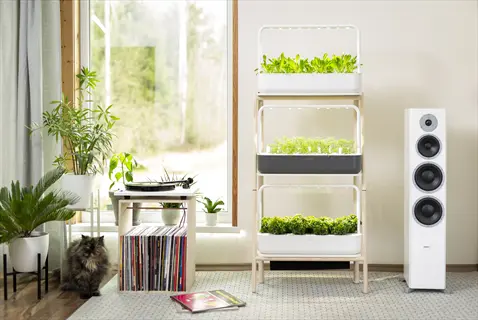
Rise Gardens Smart Garden
- Best For: Indoor gardeners wanting furniture-quality design with advanced smart home integration and automated care features.
- Technology: Includes app control, automated watering, LED grow lights, and real-time plant health monitoring sensors.
- Capacity: Personal size holds 12 plants while family size accommodates 36 plants across multiple growing levels.
- Growing Method: Hydroponic system with proprietary seed pods delivers consistent results without soil mess indoors.
- Price Range: Premium investment from 300 to 900 dollars reflecting smart home technology and sleek furniture-grade construction.
- Space Design: Attractive enough for kitchen counters or living rooms, blending seamlessly with modern home decor aesthetics.
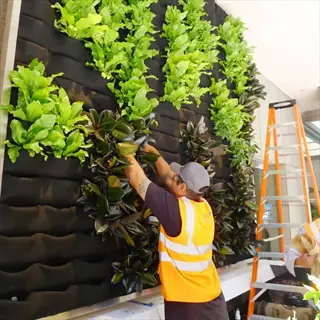
Woolly Pocket Living Wall Planter
- Best For: Renters and apartment dwellers needing damage-free wall mounting options using modular fabric pocket systems.
- Material: Breathable recycled plastic felt allows air pruning of roots while preventing overwatering through natural drainage.
- Installation: Mounts with simple screws or damage-free adhesive strips, making removal easy when moving to new residences.
- Capacity: Individual pockets hold one plant each, allowing customized arrangements from small herb gardens to large displays.
- Price Range: Affordable entry at 15 to 50 dollars per pocket module, enabling gradual expansion as budget allows.
- Versatility: Works equally well indoors or outdoors, on walls, fences, balcony railings, or freestanding frame structures.
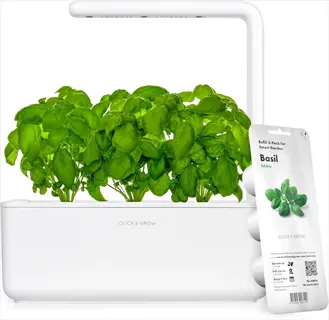
Click and Grow Smart Garden
- Best For: Kitchen herb growers wanting countertop convenience with virtually zero maintenance and guaranteed growing success.
- Technology: Fully automated with built-in LED grow lights, water reservoir, and smart soil pods requiring no gardening knowledge.
- Capacity: Models range from 3 to 25 plants, with Smart Garden 9 being most popular for kitchen herb production.
- Growing Success: Proprietary smart soil pods contain seeds, nutrients, and optimal growing medium with 95% germination rate.
- Price Range: Entry-level models start at 100 dollars, with larger systems reaching 600 dollars for maximum plant capacity.
- Maintenance: Simply refill water reservoir every 2 to 3 weeks and insert new pods when plants complete their growing cycle.
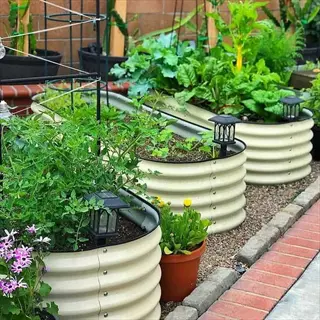
Vego Garden Vertical Raised Bed
- Best For: Outdoor gardeners wanting traditional soil growing with vertical tiered access for easier planting and harvesting.
- Construction: Made from durable modular metal panels with safe, non-toxic coating that resists rust and degradation.
- Capacity: Multiple tier configurations allow 20 to 40 plants in stepped arrangement accessing different soil depths.
- Soil Depth: Provides 12 to 17 inches (30 to 43 centimeters) of soil depth suitable for root vegetables and larger plants.
- Price Range: Mid-range pricing from 180 to 350 dollars offers durable construction justifying long-term investment value.
- Accessibility: Raised height reduces bending and kneeling, making it excellent for seniors or gardeners with mobility limitations.
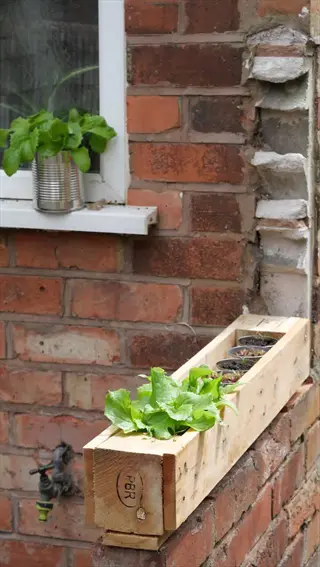
DIY Pallet Vertical Garden
- Best For: Budget gardeners and crafters wanting customizable vertical growing using free or low-cost reclaimed materials.
- Cost: Material costs range from free (reclaimed pallets) to under 50 dollars for landscape fabric, soil, and finishing supplies.
- Customization: Unlimited design flexibility allows painting, staining, or decorating to match outdoor decor and personal style.
- Capacity: Standard pallet accommodates 15 to 25 plants depending on spacing arrangement and pocket size configuration.
- Growing Medium: Requires landscape fabric stapled to create pockets, filled with lightweight potting mix for proper drainage.
- Considerations: Verify pallets are heat-treated (marked HT) not chemically treated (marked MB) to ensure plant and food safety.
Types of Vertical Gardens
I've tested all the main types of vertical gardens over the past few years. A PMC study found 8 distinct system types from simple green facades to complex panels. Each type fits a different living situation and budget.
Stackable vertical garden towers work best for homeowners who want lots of food from a small space. A freestanding vertical garden shelf gives you easy access to plants. Wall-mounted vertical garden pockets suit renters since they can move with you. A living wall system looks amazing but takes more planning and upkeep.
Green facades rank as the simplest and cheapest option in the same study. Modular panels cost the most but need less work once set up. A hydroponic vertical garden sits in the middle with fast growth and modest effort.
Choosing the Right System
Choosing vertical garden systems gets easier when you ask yourself four key questions. I guide people through this same process when they visit my garden and want to start their own. Most first timers overthink it, but picking the right system comes down to space, budget, goals, and time.
Utah State research confirms that almost any plant can grow in a vertical setup with the right system. You don't need to stick with vines and trailing plants. The best vertical garden for beginners matches your actual living space. An apartment vertical garden works great for renters. Look for a rental-friendly vertical garden that needs no drilling.
A vertical garden for small balcony spaces should be compact and light enough to move if needed. Below are the main factors to weigh before buying.
Available Space Assessment
- Floor Space: Stackable towers need only 2 to 4 square feet (0.19 to 0.37 square meters) of floor space but require 4 to 6 feet (1.2 to 1.8 meters) of vertical clearance.
- Wall Space: Wall-mounted systems need sturdy surfaces capable of supporting 20 to 50 pounds (9 to 23 kilograms) when fully planted and watered.
- Light Access: Position systems where plants receive 6 to 8 hours of sunlight daily, or budget for supplemental grow lights costing 30 to 150 dollars.
Budget Planning
- Entry Level: DIY pallet gardens and basic pocket planters start under 50 dollars, ideal for testing vertical gardening interest before major investment.
- Mid Range: Quality stackable systems like GreenStalk cost 130 to 300 dollars and offer best balance of durability, capacity, and ease of use.
- Premium: Smart hydroponic systems from 350 to 900 dollars suit dedicated indoor growers wanting automation and year-round production capability.
Growing Goals
- Herb Production: Countertop systems like Click and Grow deliver fresh herbs year-round with minimal space and near-zero maintenance requirements.
- Vegetable Harvest: Outdoor stackable towers with 30 to 60 plant capacity produce meaningful harvests of salad greens, tomatoes, peppers, and strawberries.
- Decorative Display: Living wall panels and pocket planters create stunning visual features while providing moderate edible or ornamental plant production.
Maintenance Commitment
- Low Maintenance: Self-watering systems with reservoirs need attention only weekly, ideal for busy schedules or frequent travelers.
- Moderate Maintenance: Standard stackable planters require watering every 2 to 3 days during growing season plus monthly fertilizing.
- Higher Maintenance: Hydroponic systems need weekly nutrient solution checks, pH monitoring, and periodic cleaning to prevent algae buildup.
Best Plants for Vertical Gardens
The best plants for vertical gardens share a few key traits you should know. They have compact roots, light weight, and quick growth. USDA data shows lettuce and leafy greens dominate vertical farming because they thrive in tight spaces. Lettuce vertical growing gives you the highest success rates.
What to grow vertical garden setups depends on your system type. I learned this the hard way when my tomatoes crushed a wall pocket system. Towers work for deeper roots and heavy vertical garden vegetables. Wall pockets fit a herbs vertical garden since basil and mint stay light.
Strawberries vertical growing works great in towers or hydroponic systems where runners can hang down. The table below shows which plants match each system type based on my years of trial and error.
Maintenance and Care Tips
Vertical garden maintenance takes less time than you might think once you build a routine. I spend about 15 minutes each day checking my towers and wall planters during peak season. I've found that caring for vertical garden setups feels rewarding rather than like a chore when you watch fresh growth appear.
Watering vertical garden systems works best on a set schedule. Most vertical garden problems come from too much or too little water. PMC research shows hydroponic setups need exact water and nutrient levels to keep plants healthy. Pruning vertical plants keeps growth balanced so lower tiers get enough light.
Below you'll find my tested schedule for weekly, monthly, and seasonal care.
Daily and Weekly Care Tasks
- Visual Inspection: Check plants daily for wilting, yellowing leaves, or pest signs that indicate watering, nutrient, or infestation problems needing immediate attention.
- Watering Schedule: Water soil-based systems every 1 to 3 days depending on weather, ensuring water reaches bottom tiers through gravity-fed systems.
- Harvest Regularly: Pick mature leaves and fruits frequently to encourage continued production and prevent plants from becoming top-heavy or overloaded.
Monthly Maintenance Tasks
- Fertilizer Application: Apply balanced liquid fertilizer every 2 to 4 weeks during growing season, adjusting strength based on plant response and growth rate.
- Pruning and Training: Trim leggy growth, remove dead leaves, and guide climbing plants to maintain shape and maximize light exposure throughout the system.
- System Cleaning: Flush irrigation lines, clean reservoirs, and remove mineral buildup to prevent clogging and ensure even water distribution.
Seasonal Considerations
- Spring Startup: Inspect structures for winter damage, refresh soil or growing medium, and plan seasonal plantings based on local frost dates.
- Summer Intensity: Increase watering frequency during hot weather, provide afternoon shade for heat-sensitive plants, and monitor for pest populations.
- Fall Transition: Plant cool-season crops, protect systems from early frost, and prepare indoor spaces for winter growing if applicable.
- Winter Care: Move portable systems indoors or protect with covers, reduce watering for dormant plants, and maintain indoor systems with grow lights.
Troubleshooting Common Issues
- Uneven Growth: Rotate stackable tiers monthly so all plants receive equal light exposure, preventing one-sided leaning or stunted growth on shaded sections.
- Water Drainage Problems: Clear blocked drainage holes, add perlite to soil mix for better drainage, and avoid overwatering which causes root rot.
- Nutrient Deficiencies: Yellow leaves indicate nitrogen deficiency, purple stems suggest phosphorus lack, and brown leaf edges signal potassium shortage requiring fertilizer adjustment.
DIY vs Commercial Systems
I've tried both routes in my years of growing. I made DIY vertical garden setups by hand. I also bought commercial vertical garden kit systems from stores. Both paths have real pros and cons you should know about. A homemade vertical planter costs less but takes more hours to build vertical garden frames.
PMC research found that upcycled vertical garden builds using gutters, pallets, and pipes work just as well as store bought systems. My pallet vertical garden cost me under $30 in materials and grew lettuce just fine. But my commercial tower saved hours of labor and came with a warranty.
The table below shows how these options stack up on factors that matter most. Think about your time value and skill level before deciding which route fits you best.
5 Common Myths
Vertical gardens only work for decorative plants and cannot produce enough vegetables to be practical for home food production.
Vertical gardens can produce 10 to 20 times more vegetables per square foot than traditional gardens, with some towers holding 50 to 60 edible plants in minimal space.
All vertical gardening systems require expensive pumps, timers, and automated watering equipment to function properly.
Many vertical systems use simple gravity-fed watering where you pour water at the top and it trickles down through each tier, requiring no electricity or pumps.
Vertical gardens are only suitable for outdoor spaces with direct sunlight and cannot grow productive plants indoors.
Indoor vertical gardens thrive with LED grow lights, and hydroponic systems can produce year-round harvests in basements, apartments, and rooms without windows.
You need advanced gardening skills and horticultural knowledge to successfully maintain a vertical garden system.
Vertical gardening is beginner-friendly, with many systems designed for first-time gardeners featuring self-watering reservoirs and included planting guides.
Vertical gardens always require permanent wall mounting or drilling, making them unsuitable for renters or temporary spaces.
Freestanding towers, rolling planters, and tension-mounted systems allow renters to garden vertically without any drilling or permanent modifications to walls.
Conclusion
Picking the best vertical garden comes down to four key factors: your space, budget, what you want to grow, and how much time you can give. You now know more about vertical gardening systems than most people ever learn. The vertical garden benefits add up fast when you pick the right system for your needs.
USDA research backs up what I've seen in my own growing. Vertical systems produce 10 to 20 times more food per square foot while using 70% to 95% less water than flat gardens. This space-saving garden approach works for apartment renters and homeowners alike.
Start small with one system that fits your space and budget. I began with a simple stackable tower and now run 4 different vertical setups on my small patio. Each one taught me something new about what works. Your first harvest will hook you on growing this way.
CDC studies show gardening boosts mood and builds confidence. Your vertical garden will do the same once you watch those first seedlings climb toward the sun. The journey ahead brings fresh food, new skills, and a green corner that makes your space feel alive.
External Sources
Frequently Asked Questions
What are vertical gardening systems?
Vertical gardening systems are structures that allow plants to grow upward rather than outward, using walls, towers, or stacked containers to maximize growing space in limited areas.
What grows best in vertical gardens?
Leafy greens, herbs, strawberries, and compact vegetables grow best in vertical gardens due to their shallow root systems and lightweight nature.
What are common problems with vertical gardening?
Common problems include uneven watering, nutrient deficiencies, root crowding, and structural instability from heavy plants or wind exposure.
How to start vertical gardening?
Start by choosing a system that fits your space and budget, selecting appropriate plants, ensuring adequate light and water access, and starting small before expanding.
What are the disadvantages of vertical gardens?
Disadvantages include higher initial costs, increased watering frequency, limited plant variety, structural weight concerns, and potential maintenance complexity.
Do vertical gardens require special maintenance?
Yes, vertical gardens need regular attention to watering systems, nutrient delivery, pruning, pest monitoring, and structural checks to ensure healthy plant growth.
What cannot be grown vertically?
Large root vegetables, heavy melons, corn, and sprawling squash varieties are not suitable for vertical growing due to weight, root depth, and space requirements.
How cost-effective are vertical gardening systems?
Cost-effectiveness depends on system type and usage, with DIY options starting under 50 dollars and commercial systems ranging from 100 to 500 dollars or more.
What are the best DIY vertical garden options?
The best DIY options include pallet gardens, PVC pipe towers, gutter planters, shoe organizer gardens, and repurposed wooden ladder shelves.
Do vertical gardens work indoors?
Yes, vertical gardens work indoors with proper lighting, using grow lights for spaces without natural sunlight and choosing compact, low-light tolerant plant varieties.