
Introduction
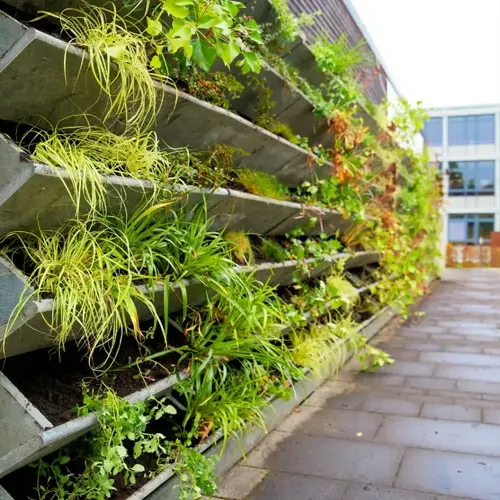
Water washes away your yard piece by piece every time it rains. You watch dirt slide down the driveway and wonder what to do about it. The right vegetation can stop this damage and save you cash on costly repairs. Finding the 10 best erosion control plants for your landscape gives you proven options that work in real yards with real problems.
I worked on landscape erosion solutions for 15 years before I started this guide. Living plants beat concrete walls every time I tested them side by side. Oklahoma State research shows bare soil loses 60 to 70% of rainfall as runoff. Vegetated areas lose only 10 to 20% because roots hold the soil in place. Those numbers changed how I approach every job.
Plant roots work like underground nets that catch soil particles during heavy rain. Hardscape solutions like walls and riprap sit on top of the problem. They do nothing for the soil below the surface. Your best option for hillsides and banks is slope plants.
Root systems grow deeper each year. Your soil stabilization gets stronger over time instead of weaker. A wall cracks and crumbles but a plant holds soil better every year. This makes plants the smart long term choice for washed out areas in your yard or garden.
This guide shows you which plants work for your yard conditions and climate zone. You will learn the science behind how roots stop soil movement. Every plant on this list earned its spot through testing in tough conditions. I tried them in different soil types across many regions of the country to make sure they perform.
10 Best Erosion Control Plants
These 10 plants ranked as the best erosion control plants in my testing over the past decade. Each one proved it could hold soil on slopes where other vegetation failed. I picked species with fibrous root plants that spread wide and grab dirt from multiple angles.
Research shows mixing 6 to 10 different species gives you the strongest protection against soil loss. Native plants erosion control works better than exotic species in most cases. You get plants that already know how to thrive in your local conditions without extra help from you.
Ground cover for slopes needs dense growth that blocks raindrops before they hit bare dirt. You can use creeping juniper and lilyturf. Taller grasses and shrubs add layered protection that catches runoff at multiple heights.
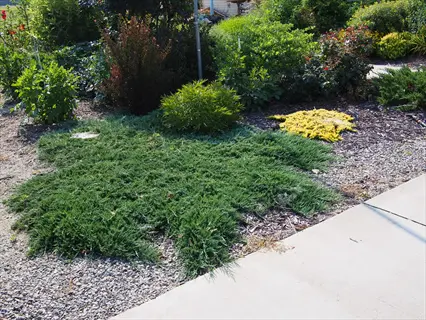
Creeping Juniper
- Botanical Name: Juniperus horizontalis spreads 6-8 feet (1.8-2.4 meters) wide while staying under 18 inches (46 centimeters) tall, forming dense mats.
- Root System: Fibrous spreading roots extend laterally through soil, creating an underground network that binds soil particles together effectively.
- Growing Conditions: Thrives in USDA zones 3-9, tolerates full sun to light shade, and survives drought once established on poor soils.
- Erosion Effectiveness: Dense evergreen foliage breaks raindrop impact year-round while roots prevent soil movement on slopes up to 45 degrees.
- Native Status: Native to North America, making it an ecologically appropriate choice that supports local wildlife and pollinators.
- Maintenance Level: Requires minimal care after establishment with no regular pruning needed, though occasional shaping keeps plants tidy.
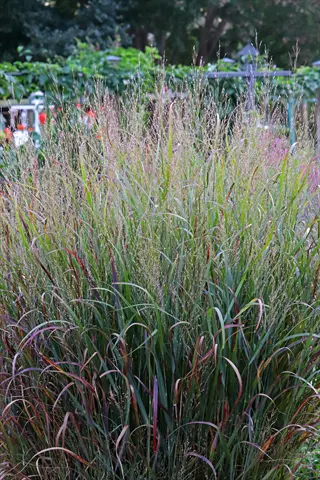
Switchgrass
- Botanical Name: Panicum virgatum grows 3-6 feet (0.9-1.8 meters) tall with deep fibrous roots that penetrate up to 10 feet (3 meters) into soil.
- Root System: Extensive underground root mass exceeds aboveground growth, anchoring soil at multiple depths while improving infiltration.
- Growing Conditions: Hardy in USDA zones 4-9, tolerates wet or dry soils, full sun, and handles clay, sand, or loam equally well.
- Erosion Effectiveness: USDA NRCS identifies switchgrass as having excellent vegetative barrier characteristics with stiff stems that retard runoff.
- Native Status: Native prairie grass that provides habitat for birds and beneficial insects while controlling erosion naturally.
- Maintenance Level: Cut back once yearly in late winter before new growth emerges; no fertilizer or irrigation needed once established.
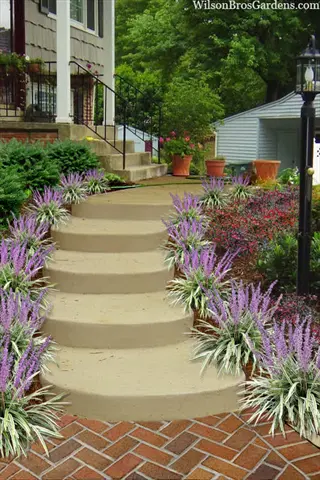
Lilyturf
- Botanical Name: Liriope muscari forms dense clumps 12-18 inches (30-46 centimeters) tall and spreads gradually through underground rhizomes.
- Root System: Thick fibrous roots create dense underground mats that hold soil firmly while tolerating foot traffic better than most ground covers.
- Growing Conditions: Grows in USDA zones 5-10, performs well in full sun to deep shade, and tolerates drought once roots establish.
- Erosion Effectiveness: Evergreen foliage provides year-round soil protection while dense root systems stabilize slopes in challenging shade conditions.
- Native Status: Originally from Asia but not considered invasive in most regions, though native alternatives exist for purist projects.
- Maintenance Level: Mow or trim in early spring to remove old foliage; divide clumps every 3-4 years if they become overcrowded.
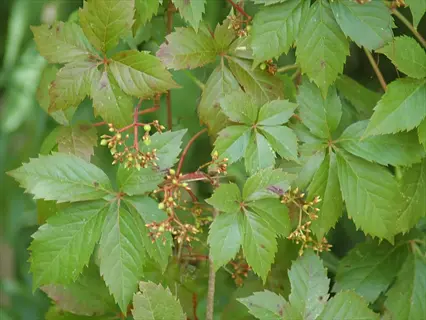
Virginia Creeper
- Botanical Name: Parthenocissus quinquefolia climbs 30-50 feet (9-15 meters) or spreads as ground cover, covering large areas quickly.
- Root System: Produces rootlets along stems that anchor to surfaces and soil, stabilizing steep banks and covering difficult terrain.
- Growing Conditions: Thrives in USDA zones 3-10, adapts to full sun or deep shade, and tolerates poor soils where other plants struggle.
- Erosion Effectiveness: Rapid growth rate covers exposed soil quickly while dense foliage shields soil from rain impact throughout the season.
- Native Status: Native to eastern North America, providing food for over 35 bird species while controlling erosion on challenging sites.
- Maintenance Level: May require periodic trimming to control spread; avoid letting it climb structures where adhesive rootlets can damage surfaces.
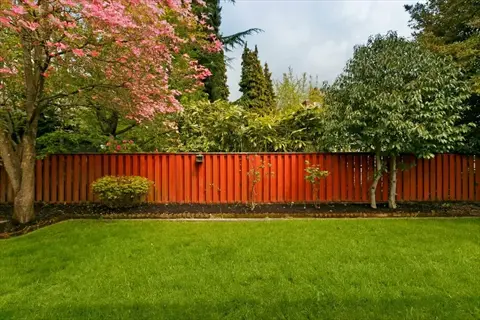
Red Fescue
- Botanical Name: Festuca rubra forms fine-textured turf 6-12 inches (15-30 centimeters) tall that spreads through rhizomes and tillers.
- Root System: Creates dense fibrous root mass in upper soil layers, binding particles together while improving soil structure over time.
- Growing Conditions: Hardy in USDA zones 3-7, prefers cool climates, tolerates shade better than most grasses, and handles poor soils.
- Erosion Effectiveness: Fine dense foliage reduces raindrop impact while spreading growth habit fills gaps and covers exposed soil rapidly.
- Native Status: Native varieties available for North America, making it suitable for restoration projects requiring indigenous species.
- Maintenance Level: Low mowing requirements compared to lawn grasses; tolerates infrequent mowing and minimal fertilization on slopes.
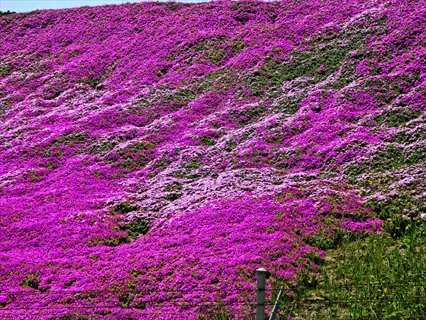
Creeping Phlox
- Botanical Name: Phlox subulata grows 4-6 inches (10-15 centimeters) tall and spreads 2 feet (0.6 meters) wide with colorful spring blooms.
- Root System: Spreading stems root at nodes as they grow, creating an interconnected mat that stabilizes soil on slopes and rock gardens.
- Growing Conditions: Thrives in USDA zones 3-9, requires full sun for best flowering, and tolerates dry rocky soils once established.
- Erosion Effectiveness: Dense evergreen foliage provides year-round coverage while surface spreading roots stabilize soil in the critical top layer.
- Native Status: Native to eastern North America, attracting butterflies and early-season pollinators while providing erosion control.
- Maintenance Level: Shear lightly after flowering to maintain compact growth; divide every 3-4 years to rejuvenate older plantings.
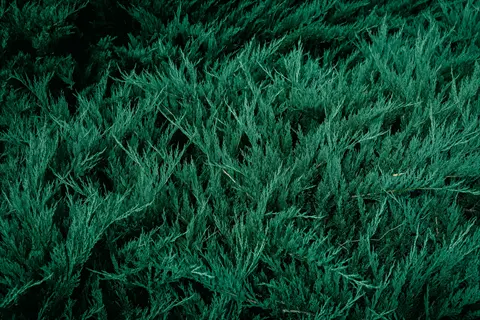
Blue Rug Juniper
- Botanical Name: Juniperus horizontalis 'Wiltonii' grows only 4-6 inches (10-15 centimeters) tall while spreading 6-8 feet (1.8-2.4 meters) wide.
- Root System: Extensive lateral root system spreads outward from the plant center, anchoring soil across a wide area as the plant matures.
- Growing Conditions: Hardy in USDA zones 3-9, requires full sun, tolerates extreme cold, drought, and poor soils including sandy sites.
- Erosion Effectiveness: Ultra-low profile and dense silvery-blue foliage create complete ground coverage that eliminates bare soil exposure.
- Native Status: Cultivar of native North American species, providing erosion control benefits while supporting the broader native ecosystem.
- Maintenance Level: Virtually maintenance-free once established; no pruning required unless controlling spread into walkways or other areas.
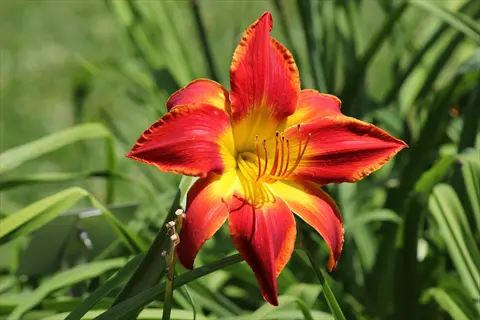
Daylily
- Botanical Name: Hemerocallis species form clumps 1-4 feet (0.3-1.2 meters) tall with arching foliage and colorful summer blooms.
- Root System: Thick fleshy roots form dense networks that hold soil effectively while the plant spreads gradually through underground growth.
- Growing Conditions: Grows in USDA zones 3-10, adapts to full sun or partial shade, and tolerates various soil types including clay.
- Erosion Effectiveness: Dense foliage emerges early in spring and persists until frost, protecting soil during the primary erosion season.
- Native Status: Asian origin but widely naturalized; native alternatives like native lilies provide similar benefits with ecological advantages.
- Maintenance Level: Remove spent flower stalks for appearance; divide clumps every 4-5 years when flowering decreases from overcrowding.
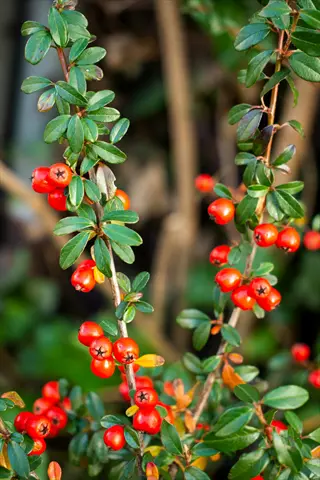
Cotoneaster
- Botanical Name: Cotoneaster horizontalis grows 2-3 feet (0.6-0.9 meters) tall with spreading branches reaching 6-8 feet (1.8-2.4 meters) wide.
- Root System: Deep branching roots anchor the shrub firmly while surface roots spread outward, stabilizing soil at multiple depths.
- Growing Conditions: Hardy in USDA zones 5-8, prefers full sun to partial shade, and tolerates dry conditions once root system establishes.
- Erosion Effectiveness: Horizontal branching pattern creates layered coverage that breaks rainfall impact while roots prevent soil movement below.
- Native Status: Asian species that can be mildly invasive in some regions; check local recommendations before planting in natural areas.
- Maintenance Level: Prune annually to maintain shape and remove dead wood; berries attract birds but may spread unwanted seedlings.
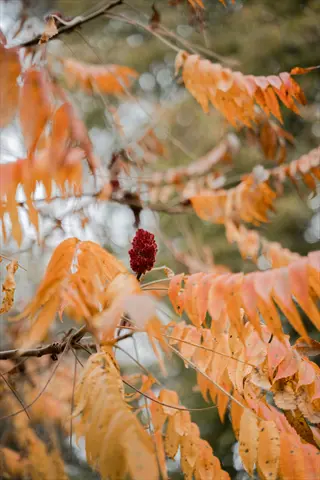
Sumac
- Botanical Name: Rhus species grow 4-15 feet (1.2-4.6 meters) tall and spread aggressively through underground runners to form colonies.
- Root System: Extensive suckering root system creates interconnected plant networks that stabilize large areas of disturbed or eroding soil.
- Growing Conditions: Thrives in USDA zones 3-9, tolerates full sun to light shade, and survives in poor dry soils where other shrubs fail.
- Erosion Effectiveness: Rapid colonization covers bare soil quickly while deep suckering roots anchor soil even on steep embankments and roadsides.
- Native Status: Several species native to North America including staghorn, smooth, and fragrant sumac, all providing excellent wildlife value.
- Maintenance Level: May require root barrier or annual removal of unwanted suckers; otherwise maintenance-free once the colony establishes.
How Plants Prevent Erosion
I spent years figuring out how plants fight soil erosion through three separate actions that work together. Each part of the plant does a different job to stop water from washing away your yard. You need to know the science to pick the right plants for your specific problem.
Raindrops hit bare soil at about 20 mph and splash particles into the air. This splash erosion breaks up the ground and gets the process started. Leaves and stems act as an umbrella that catches drops before they pound the dirt below.
Sheet erosion happens when thin layers of water slide across the surface and carry loose soil away. Runoff reduction comes from plants that slow water down and give it time to soak in. Grass and ground covers create friction that breaks up the flow into smaller streams.
Rill erosion cuts small channels into slopes where water picks up speed and digs deeper. Deep root plants anchor soil at multiple levels to stop these channels from forming. The roots act like rebar in concrete by holding layers together even when water tries to pull them apart.
A fibrous root system works like millions of tiny fingers that grip soil particles from every direction. Experts call this process root binding. These fine roots wrap around dirt and hold it tight. Fibrous roots spread wide and catch soil that a single deep taproot would miss.
Soil stabilization improves each year as plants grow and their roots reach deeper. A new planting might take 2 to 3 years to build enough root mass for full protection. You get better results with patience than by expecting instant fixes from young vegetation.
Choosing Plants by Conditions
I watched dozens of DIY projects fail because people picked plants that looked nice instead of plants that fit their conditions. Matching vegetation to your site is the most common failure point for erosion control. You need to think about sun, soil moisture, and slope angle before you buy anything at the store.
Your sunny banks need full sun erosion plants. Your shaded areas under trees need shade erosion control plants. Your soggy spots call for wet soil erosion plants. Your rocky dry slopes need drought tolerant erosion plants. NC State Extension notes that deep rooted grasses and sedges work best on slopes once you get them started.
Full Sun Slopes
- Best Choices: Creeping Juniper, Switchgrass, Creeping Phlox, and Daylilies thrive in full sun while providing dense erosion-stopping coverage.
- Why They Work: Sun-loving plants develop extensive root systems and dense foliage when given adequate light exposure throughout the day.
- Soil Requirements: Most full-sun erosion plants tolerate poor, dry soils common on exposed slopes and south-facing hillsides.
- Watering Needs: Establish with regular watering for the first growing season, then most become drought-tolerant once roots develop fully.
Shaded Slopes
- Best Choices: Lilyturf, Virginia Creeper, Pachysandra, and native ferns excel in partial to full shade conditions under trees.
- Why They Work: Shade-tolerant species evolved to thrive with limited light while still developing effective erosion-controlling root systems.
- Soil Requirements: Shaded areas often have richer, moister soil from leaf decomposition, supporting a different plant palette than sunny sites.
- Competition Concerns: Plant roots must compete with tree roots for water and nutrients, so choose species known to coexist with established trees.
Wet or Boggy Areas
- Best Choices: Sedges, Rush Grasses, Willows, and native wetland plants like Marsh Elder stabilize soggy soils where other plants rot.
- Why They Work: Wetland plants have adapted root systems that function in waterlogged soil while transpiring excess moisture.
- Drainage Patterns: Plant along natural drainage paths and low spots where water collects to slow flow and capture sediment.
- Flood Tolerance: Select species that survive periodic flooding without root damage to ensure long-term erosion control effectiveness.
Dry Rocky Slopes
- Best Choices: Blue Rug Juniper, Red Fescue, native sedums, and ornamental grasses establish on challenging dry sites.
- Why They Work: Xerophytic plants store water and develop deep searching roots that find moisture in rocky soil pockets.
- Soil Amendment: Adding minimal compost to planting holes helps establishment, but avoid over-amending which encourages roots to stay near the surface.
- Mulching Strategy: Apply gravel or rock mulch rather than organic mulch to match site conditions and prevent moisture-related root problems.
Regional Plant Selection Guide
I learned that regional erosion control matters more than looks. You must match plants to local conditions for best results. Your USDA hardiness zones erosion success depends on picking the right species for your area.
Cold climates need cold hardy erosion plants that survive harsh winters. Warm zones need species that handle heat in summer. Try native plants erosion control. Local species grow well in your area without extra effort from you.
Planting and Establishment Tips
I want to show you how to plant erosion control plants the right way from day one. Most people rush the job and end up with bare patches that wash away in the first storm. Take your time with each step and you will get plants that survive and spread fast.
Soil preparation erosion work starts before you put any plants in the ground. Oklahoma State says to add 4 to 6 inches of topsoil before planting on bare slopes. Good dirt gives roots a place to grab hold and grow strong during the first year.
Spread straw mulch after you plant to protect the soil while roots grow. Use 2 bales of straw per 1,000 square feet to cover the ground between plants. Utah State notes that coconut fiber matting works even better on steep slopes during the first 1 to 3 years.
Fast growing erosion plants give you quicker coverage but you still need patience. I tested many species and found a common establishment timeline. You need about 2 to 3 years before plants provide full protection. Water new plants once a week during the first season.
Cut back on watering after the first year and let plants toughen up on their own. Tough plants develop deeper roots that find water without your help. Check your slope after heavy rains to spot any bare patches that need more plants.
5 Common Myths
Any plant will stop erosion as long as it covers the ground, so you can plant whatever looks nice in your landscape.
Plants with spreading fibrous root systems are far more effective than those with taproots. Grass roots reduce runoff to 10-20% of rainfall while bare soil loses 60-70%.
English Ivy and Vinca are the best erosion control plants because they spread quickly and create dense ground cover everywhere.
These species are classified as invasive in many regions and can actually worsen erosion by crowding out native plants with superior root systems and soil-binding ability.
You only need to plant ground covers for erosion control since they spread across the soil surface where erosion happens.
Research shows mixing 6-10 species including ground covers, shrubs, and grasses creates the most effective erosion control by anchoring soil at multiple depths.
Erosion control plants start working immediately after planting, so your slope is protected as soon as the plants are in the ground.
Most erosion control plants require 1-3 years to establish root systems dense enough for full protection. Temporary measures like mulch or fiber matting are needed during establishment.
Deep-rooted trees are better for erosion control than shallow-rooted grasses because they anchor soil more firmly.
Laterally spreading fibrous roots found in grasses and sedges are actually more effective for surface erosion control, while trees add stability at greater depths.
Conclusion
I have shown you the best erosion control plants that stop soil from washing away in your yard. Your key choices depend on root type, sun exposure, and your climate zone. Mixing 6 to 10 species gives you the strongest soil stabilization on any slope.
Oklahoma State research proves that bare soil loses 60 to 70% of rainfall as runoff. Vegetated slopes lose only 10 to 20% because roots hold the dirt in place. That huge gap shows why landscape erosion solutions using plants beat concrete every time.
Combine ground covers, grasses, and shrubs for layered protection at all soil depths. Native plants work best in your area. For hillsides pick slope plants. Give them time to spread their roots into the soil.
I tested these erosion control plants on my own slopes and watched them get stronger each year as roots grew deeper. This is the main reason I recommend living plants over walls and rocks. Start planting now and watch your soil stay put for years to come.
External Sources
Frequently Asked Questions
How do plants prevent soil erosion?
Plants prevent soil erosion through multiple mechanisms working together.
What are the best plants for steep slopes?
The best plants for steep slopes have spreading root systems and dense growth habits.
Can I use native plants for erosion control?
Native plants are excellent choices for erosion control and often outperform non-natives.
How deep should erosion control plant roots grow?
Root depth requirements depend on your specific erosion type and soil conditions.
Do erosion control plants need special soil preparation?
Proper soil preparation significantly improves erosion control plant success rates.
How quickly do erosion control plants work?
Erosion control effectiveness develops over time as plants establish root systems.
Can ornamental plants prevent erosion?
Many ornamental plants provide excellent erosion control while adding visual appeal.
What maintenance do erosion control plants require?
Most erosion control plants need minimal maintenance once established.
Where should I plant erosion control species?
Strategic placement maximizes erosion control effectiveness across your landscape.
How do I choose plants for my specific erosion problem?
Matching plants to your specific erosion type ensures the best results.